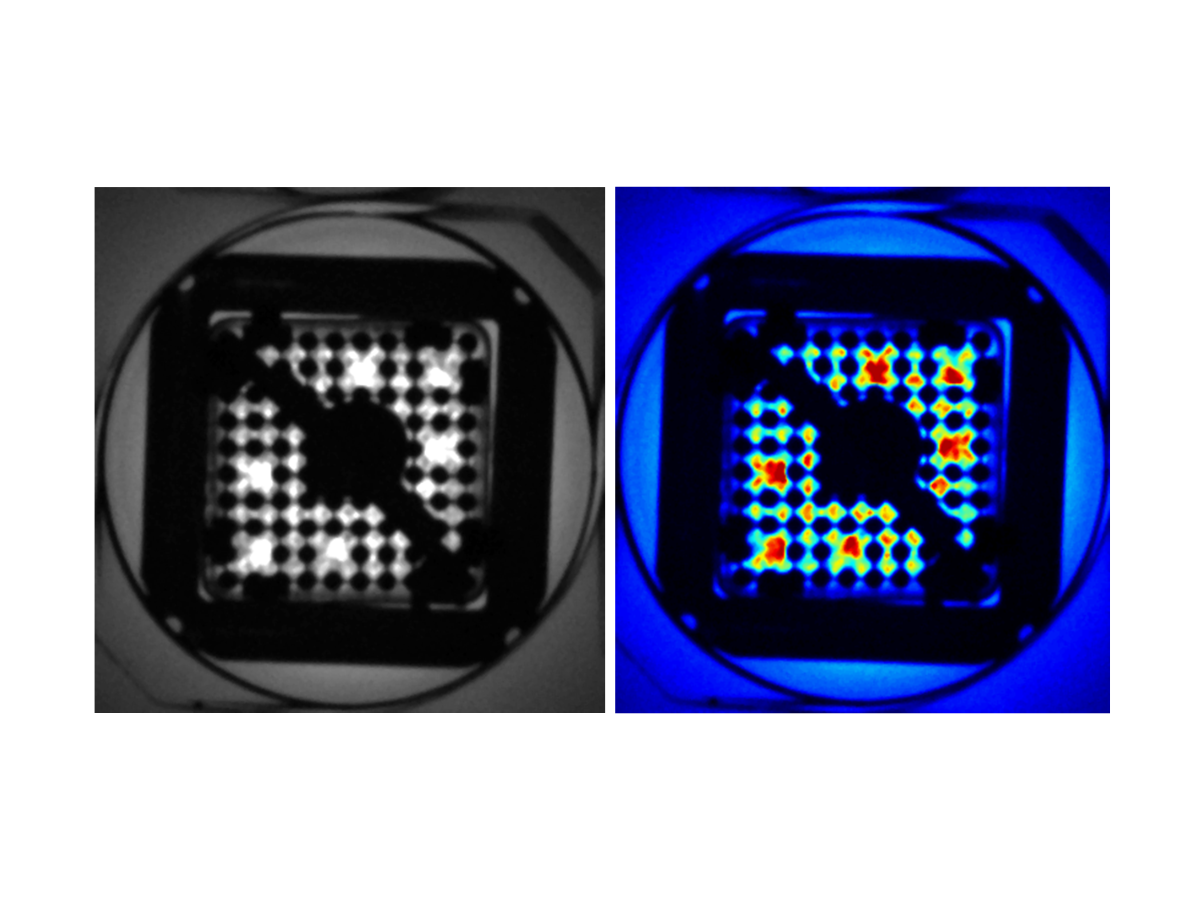
Cerenkov light imaging leverages faint ultraviolet emissions generated by high-energy particles to enable sensitive, non-contact visualization and analysis.
SpecializedUVImagingforAssessingSpentFuel
Cerenkov Light Imaging is a powerful technique that visualizes the faint optical photons produced when charged particles travel faster than the speed of light in a dielectric medium.
By converting radiation interactions into measurable light, Cerenkov Light Imaging provides a non-invasive, real-time method for assessing radioactive materials, monitoring spent fuel, and verifying nuclear safeguards. This optical approach allows researchers and inspectors to observe radiation-related phenomena with high sensitivity, while avoiding the challenges and risks associated with direct contact measurement.
Cerenkov light imaging has rapidly become an essential tool across nuclear research, safety, and verification environments. Its ability to offer immediate visual confirmation, support quantitative analysis, and integrate with modern imaging systems makes it a valuable asset for accurate detection and verification of nuclear fuel.
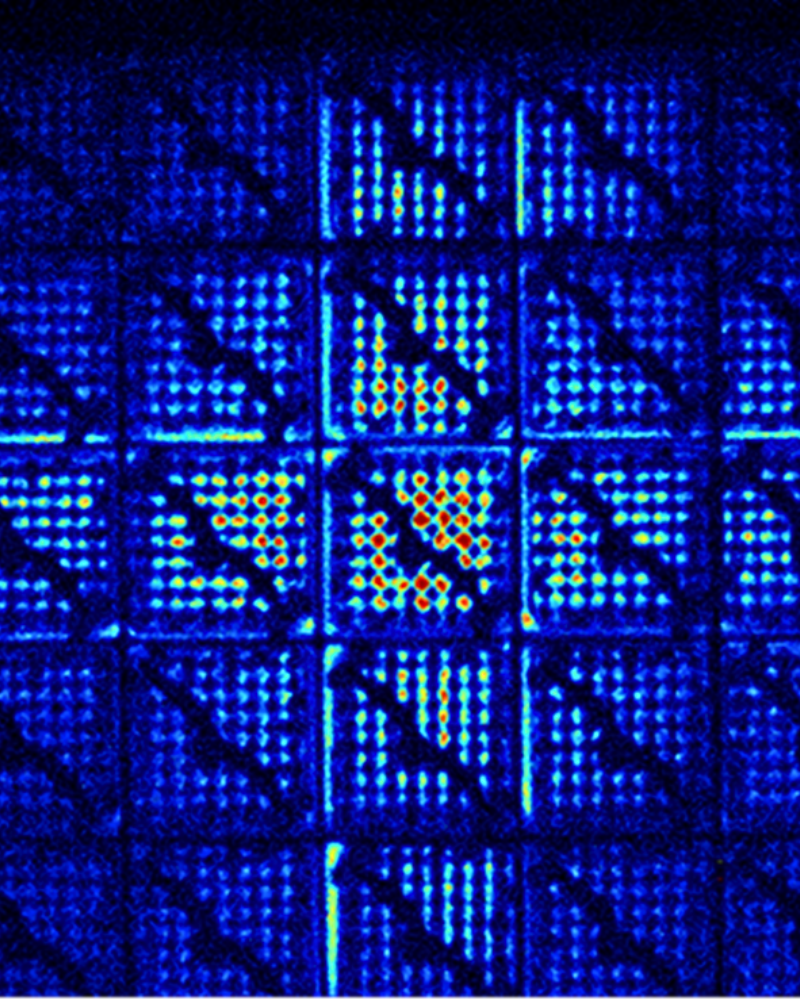
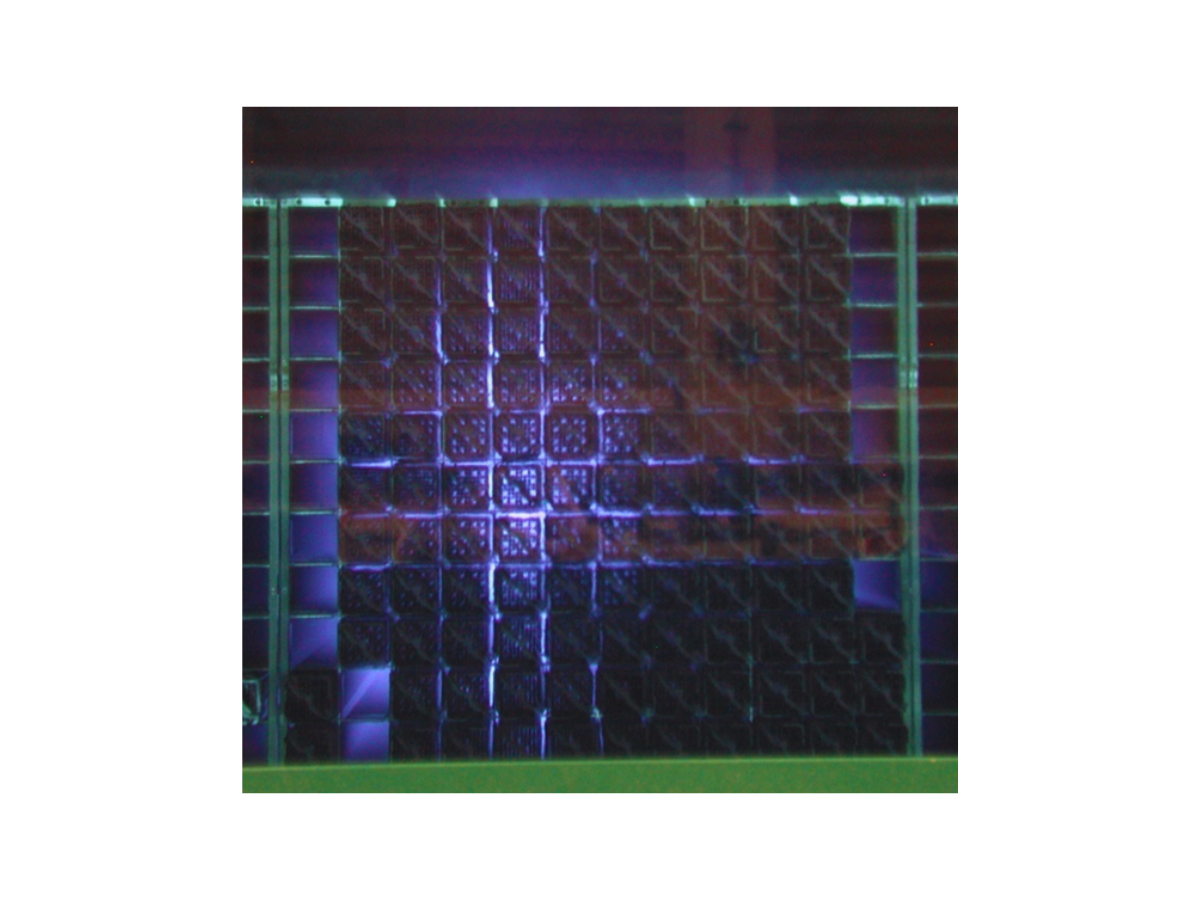
Cerenkov light is electromagnetic radiation that is produced when a charged particle passes through an insulating material faster than the speed of light in that material. When an irradiated fuel assembly is removed from a nuclear reactor and placed in a storage fuel pond, this phenomenon is made possible.
Gamma energy from the irradiated fuel assembly can accelerate an electron in the water to a speed faster than the speed of light in water, resulting in scattered gamma rays and recoiled electrons. As the electron is travelling faster than the speed of light, it generates an electromagnetic "shock wave", resulting in Cerenkov proton generation at the wave front. The number of Cerenkov photons generated depends on the energy of the gamma ray, with higher gamma energy or more gamma rays resulting in more Cerenkov photons.
The main factors that determine the intensity of Cerenkov Light being imaged is burnup, cooling time and irradiation history of the spent nuclear fuel.
SpentFuelVerification
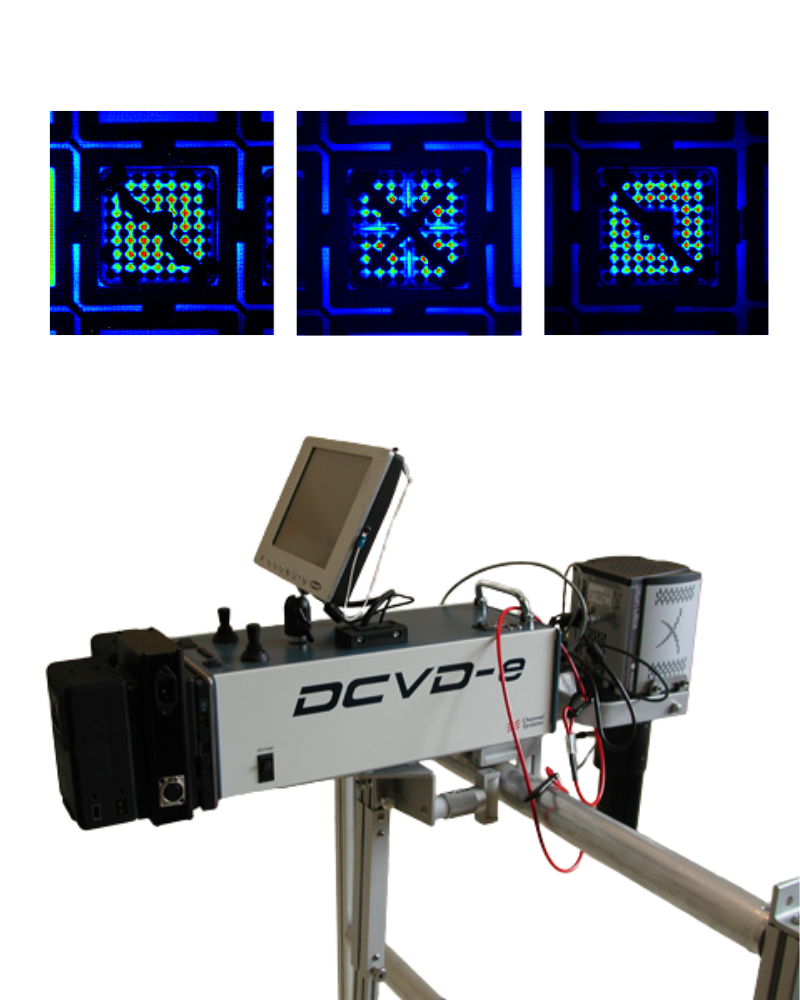
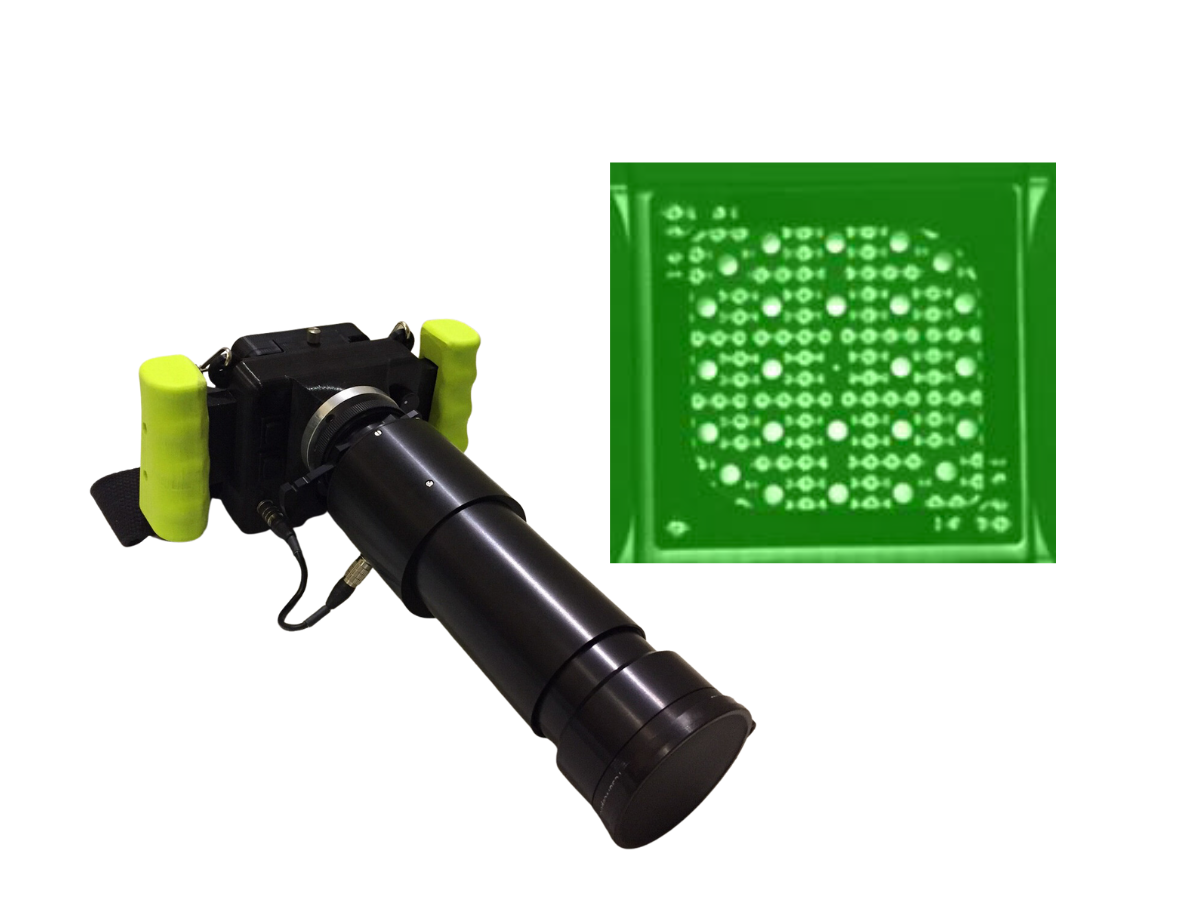
Cerenkov light imaging technology, such as the CRIS II and DCVD, can be used for accurate verification of spent nuclear fuel that has come out of the reactor and is being stored in the ponds within the fuel repository, without the need to move fuel or disturb the pond in any way.
Spent fuel verification can be completed with specialized UV instruments that intensify that Cerenkov signal for the Inspector, such as the CRIS II and DCVD, who then properly aligns over the fuel assemblies and observes whether there is Cerenkov light generated or not.
PartialDefectsDetection
Partial Defects Detection is a more complex application that utilizes Cerenkov Light Imaging to assess whether fuel rods have been removed or are missing from the stored spent fuel assembly.
When a fuel rod, or multiple fuel rods, are removed from the fuel assembly, a change in Cerenkov Light intensity can be measured. Using an instrument like the DCVD, statistical analysis can be used to compare measured intensity to expected intensity of the fuel based on fuel information and customized software algorithms.