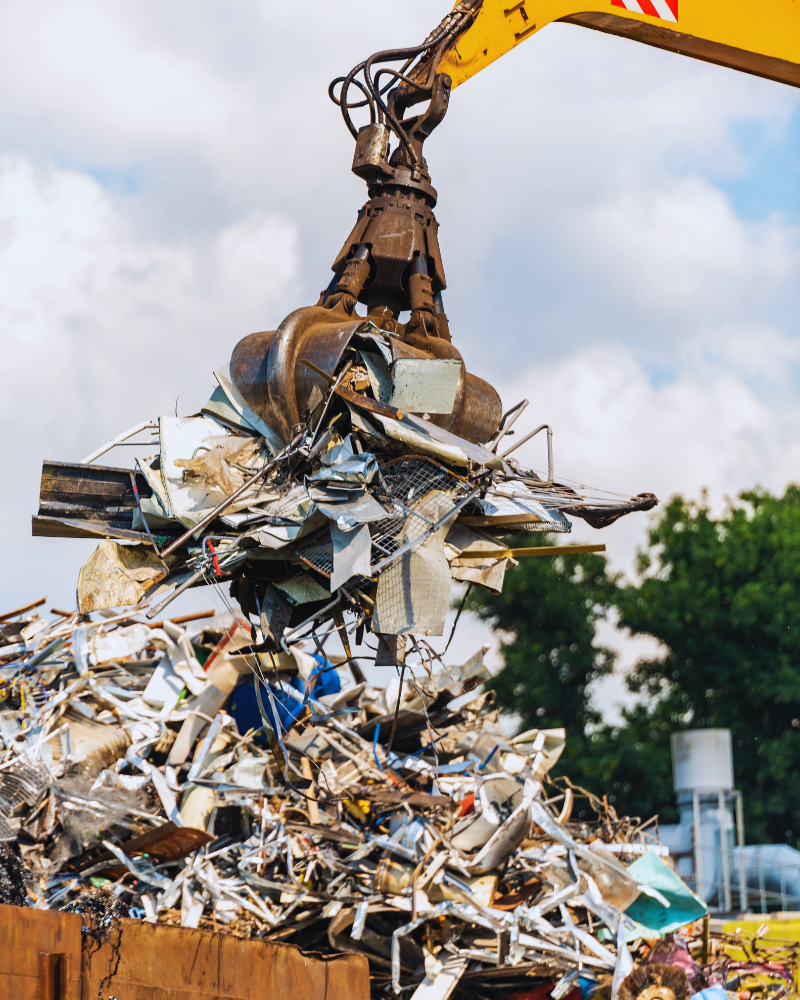
Construction waste being piled by heavy machinery
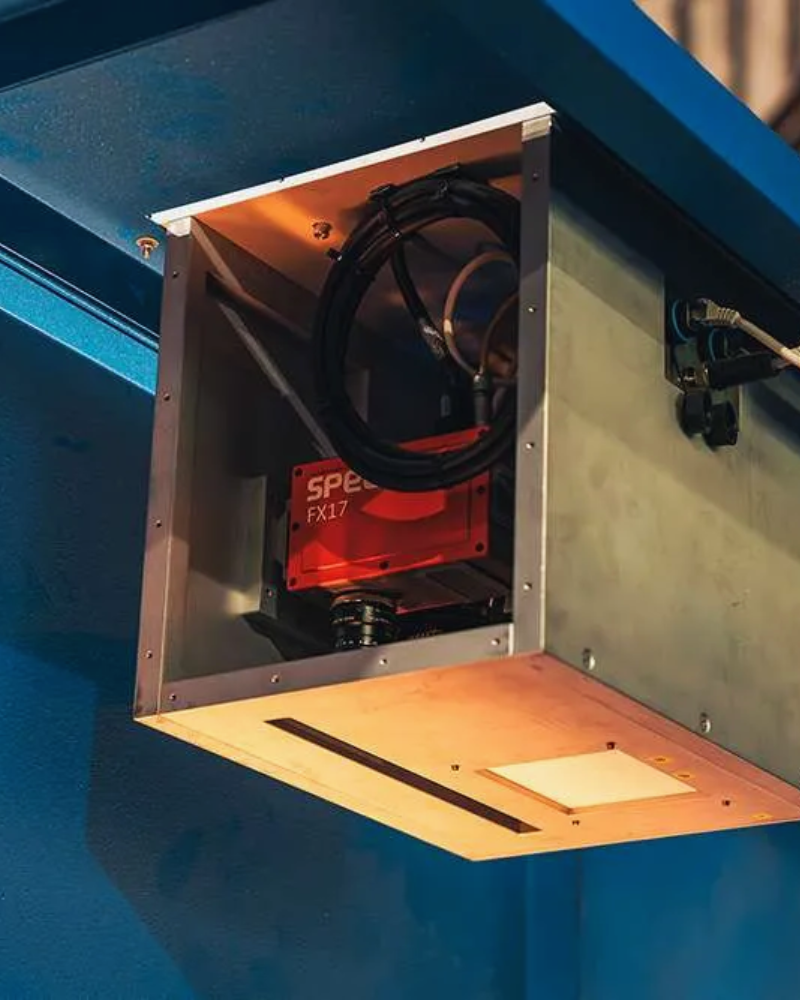
Specim FX17 hyperspectral camera inside an enclosure
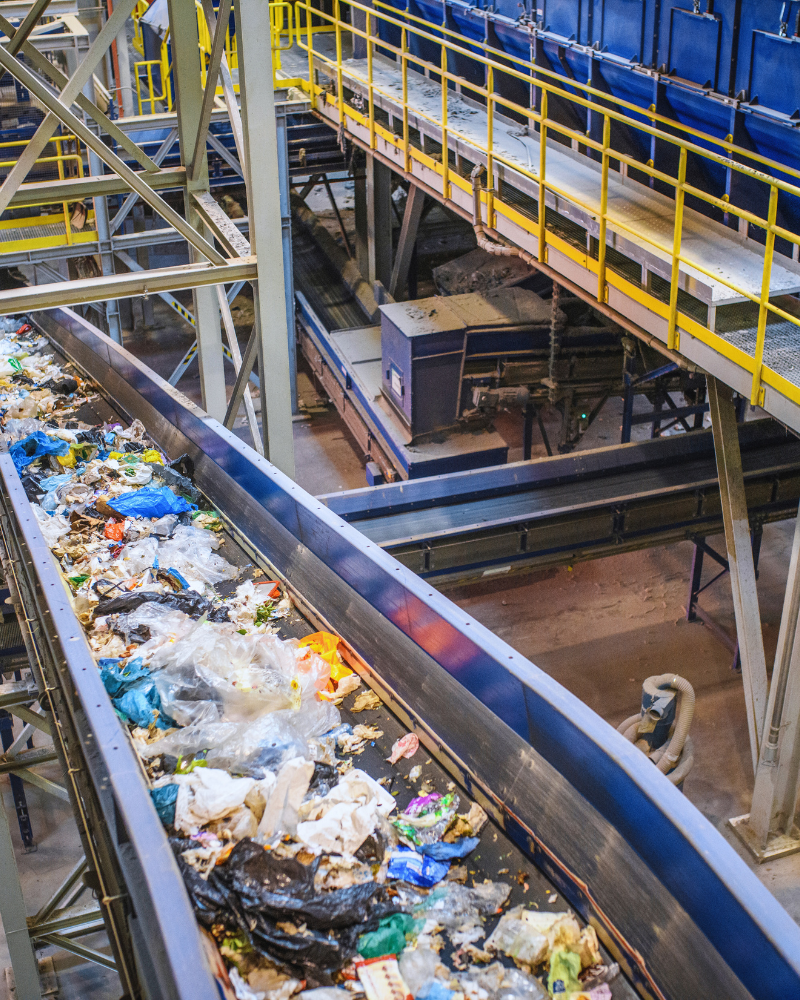
Plastics and waste moving on a conveyor inside a large sorting machine
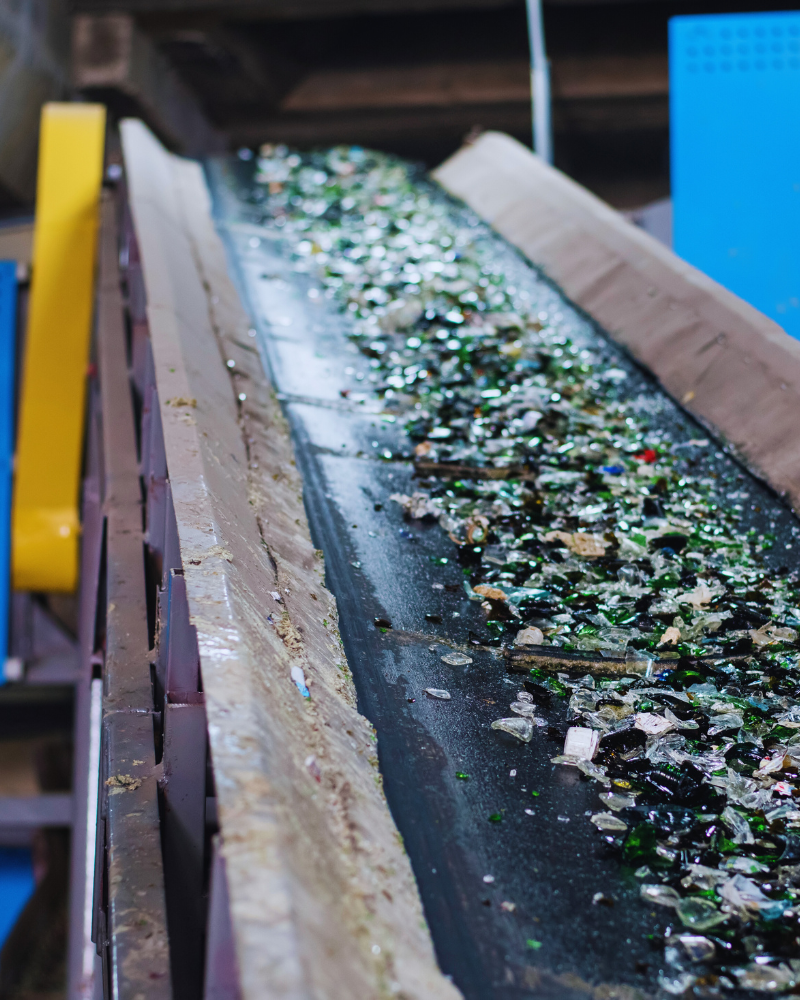
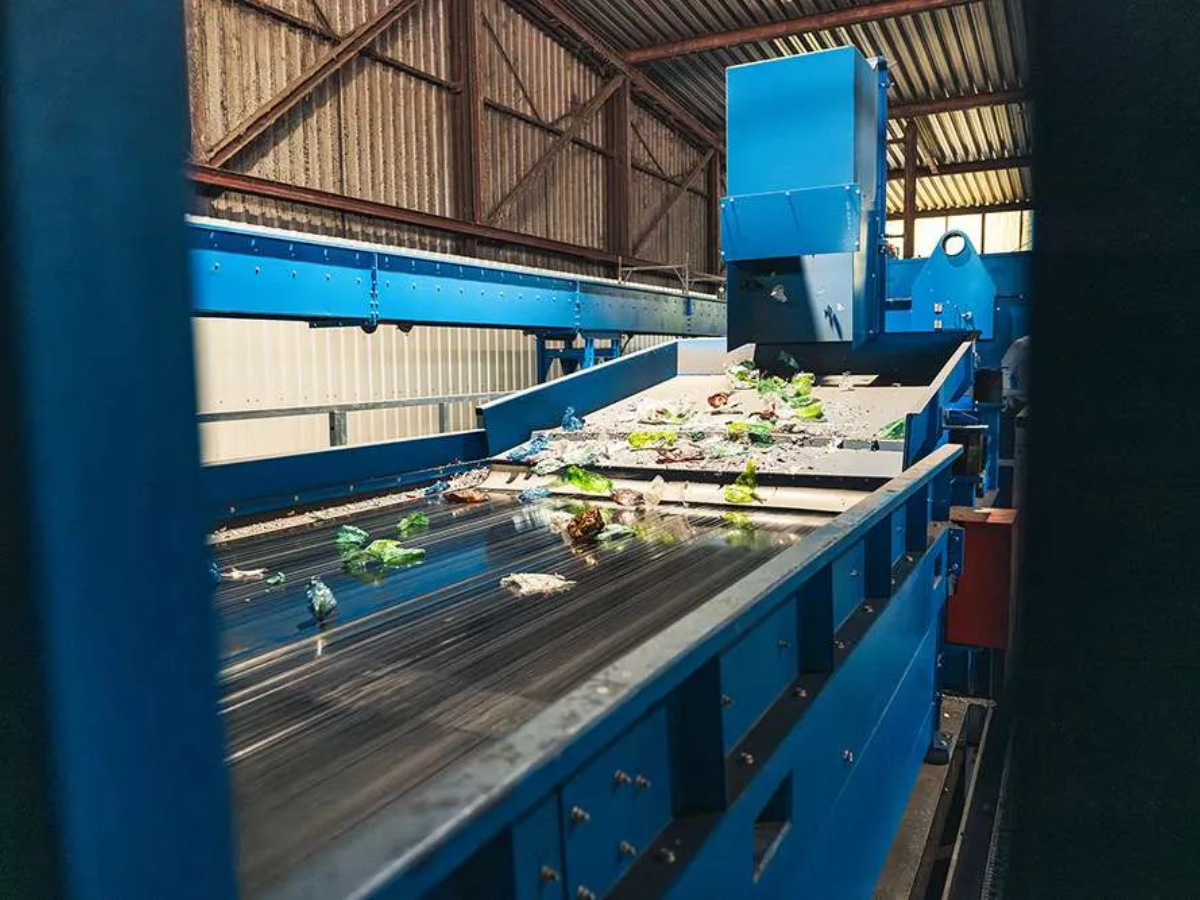
Glass shards moving along a conveyor belt in a sorting facility

Transforming Waste Management and Recycling with Hyperspectral Imaging

Efficient recycling and waste management is critical to conserving our limited natural resources. However, traditional manual sorting is time-consuming, labor-intensive, and hazardous. 

Hyperspectral imaging technology offers a faster, safer, and more effective solution that can identify and separate various materials, such as plastics, textiles, metals, glass, paper, and cardboard, based on their chemical structure. This method goes beyond the limitations of visual inspection and basic sensors, enabling the sorting of a much wider range of materials with unmatched accuracy.

Plastics for recycling moving on conveyor in large sorting machine

Key Benefits of Hyperspectral Imaging for Recycling & Waste Sorting:

  • Faster and Safer Sorting: Automate workflows to reduce the risk of human error and enhance safety.
  • Improved Material Purity: Accurate material separation reduces contamination, resulting in higher-quality recycled materials and greater profitability.
  • Cost-Effective: Streamlined and automated sorting processes reduce time and labor costs, boosting operational efficiency.
  • Environmental Impact Reduction: By reducing the amount of waste resulting in landfills, hyperspectral imaging is a powerful tool in reducing environmental harm.
  • Scalability: Easily integrated into automated waste sorting systems for even greater throughput and efficiency.
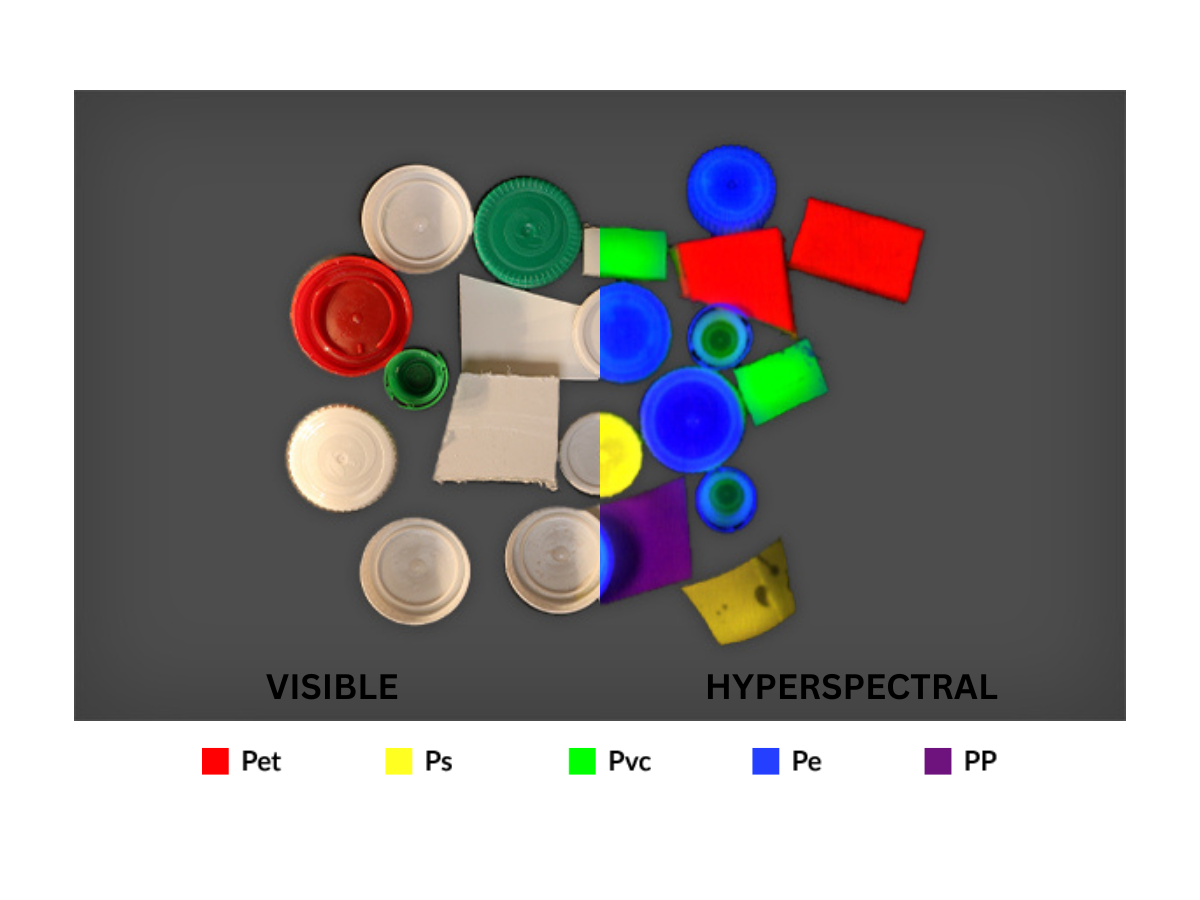
Different pieces of plastics show in the visible and with hyperspectral

Plastics Identification & Classification

Different types of plastics have their own unique spectral signature, based on the way the material interacts with light due to it's chemical composition. 

Common types of plastics, such as PET, HDPE, PVC, LDPE, PP, PS, PE and ABS can be accurately identified, classified, and sorted using Specim hyperspectral cameras, such as the Specim FX17, which can identify and sort these types of plastics in all colours.

The framerate and resolution of the Specim FX17 meets the requirements of industrial sorting processes in terms of speed, accuracy, reliability, versatility, and cost-effectiveness.

Case Study: Revolutionizing polymer recycling: How Prodecologia used cutting-edge hyperspectral imaging technology to achieve 98% polymer purity

Cast Study: Modernizing Plastic Recycling: How UCY Boosts Recycling Efficiency with Specim Hyperspectral Imaging and AI

Case Study: Waste Robotics - Hyperspectral Imaging: A Tool for Future Waste Management

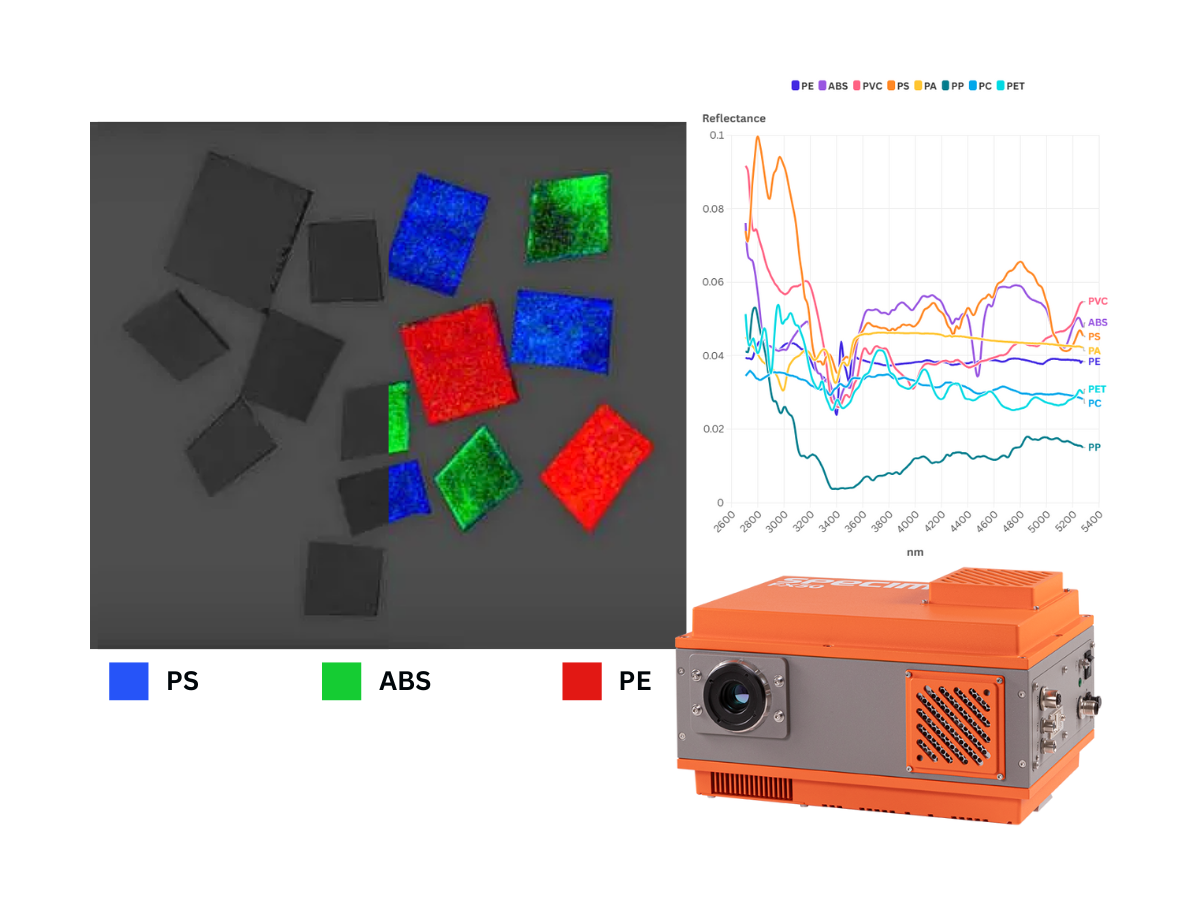
Different types of black plastics imaged with FX50 camera

Black Plastics Sorting

Black plastics are commonly used across a wide range of industries including consumer electronics, packaging, construction and auto parts. Black plastics are valued for their durability and ease of manufacturing, but are notoriously difficult to sort for recycling because they do not reflect light. 

The Specim FX50, a cutting-edge MWIR hyperspectral system designed for industrial use, is the only camera available on the market that covers the full MWIR spectral range of 2.7 - 5.3 µm required for effective black plastics sorting.

The Specim FX50 can accurately identify and sort PS, PE, PP, ABS, PVC, black plastics, rubber and specific additives. It's fast frame rates combined with high spatial resolution results in exceptional throughput, processing 300 kg of 2x2 cm plastic flakes in just one minute.

Application Note: Breakthrough in Black Plastic Sorting

Application Note: Overcoming Black Plastic Recycling Challenge with MWIR Hyperspectral Imaging Technology

Webinar Recording: How to detect black plastics with the Specim FX50

Different colours and textiles together in a pile, spectral reflectance graph showing the different spectral signatures of types of fabrics

Textile Sorting & Recycling

Textile waste is a significant contributor to global pollution worldwide, with approximately 16 million tons of new and used textiles that could be sorted for reuse ending up in our landfills each year.

Hyperspectral imaging technology is a revolutionary tool in textile sorting and recycling as it offers reliable identification and separation of different types of fibers and substances, included blended fabrics, based on their composition and not on appearance or visual sorting techniques. This technology offers enhanced speed, endurance, accuracy and efficiency to textile sorting that cannot be attained with traditional sorting methods.

The Specim FX17, sensitive in the 900-1700nm wavelength range, offers the perfect solution for identification and classification of textiles. Aside from a few synthetic black textiles such as black polyester or black nylon, this system can accurately and efficiently detect the different spectral signatures of conventional fabrics for sorting.


Application Note: Hyperspectral Imaging reducing textile waste

Case Study: PICVISA Harnesses Hyperspectral Imaging to Revolutionize Textile Sorting

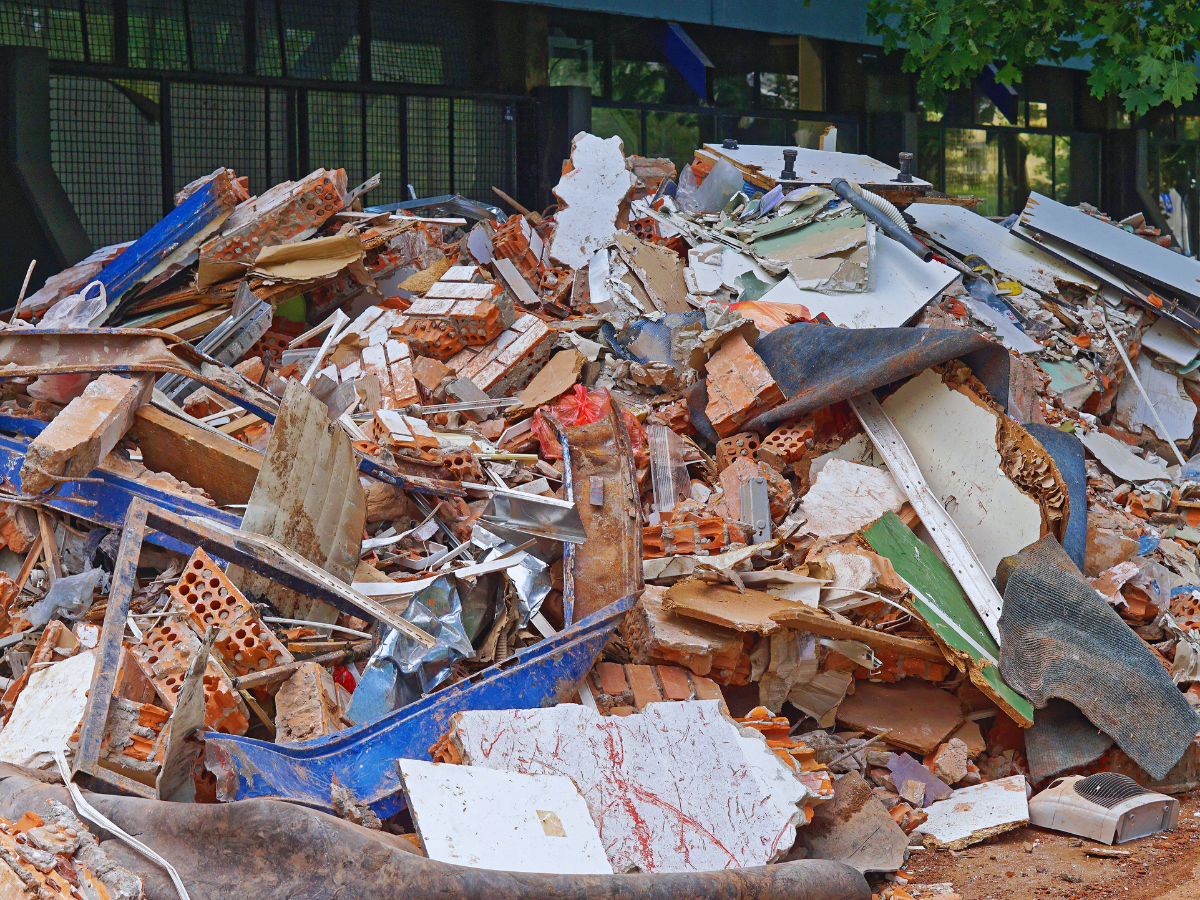
Pile of various types of construction waste mixed together

Construction Waste

Hyperspectral imaging is an effective tool for safely sorting valuable and reusable construction waste, such as concrete, wood, tiles, paper, cardboard and different types of plastic. 

It offers capabilities for precise identification of materials for separation in real-time through remote and non-destructive evaluation, reducing risk of exposure of workers to hazardous materials such as asbestos.

Case Study: Zenrobotics - Robotics revolution in waste separation