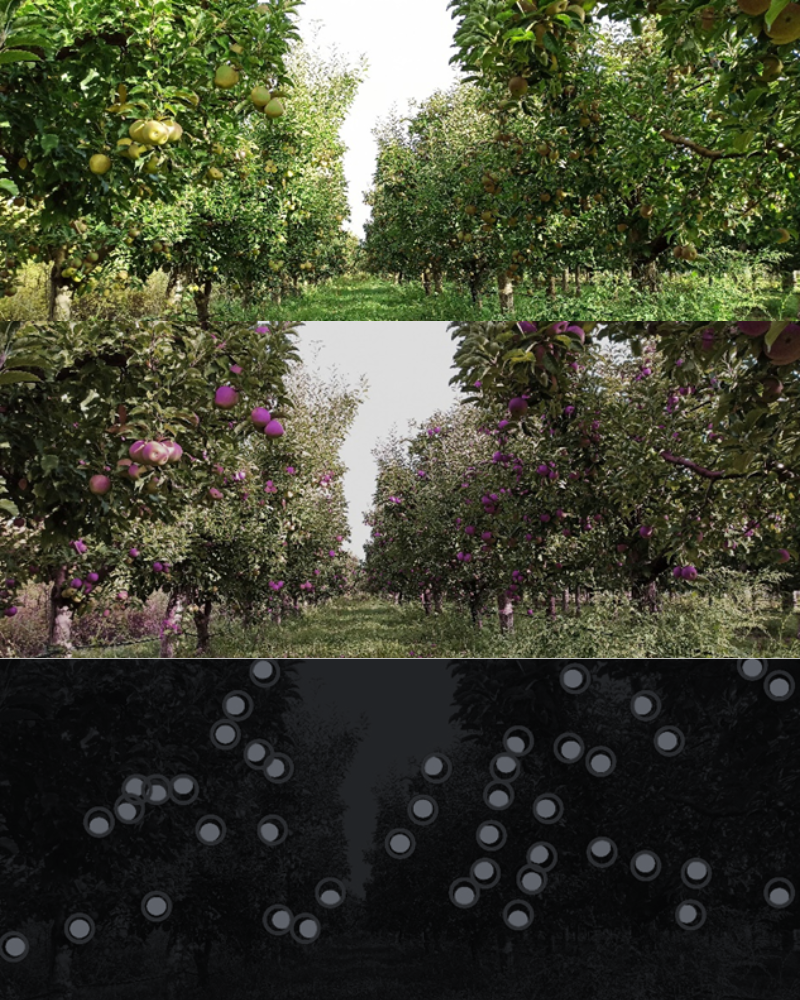
Orchard with green apples image in RGB, Multispectral highlighting fruit and comparison with just fruit detected
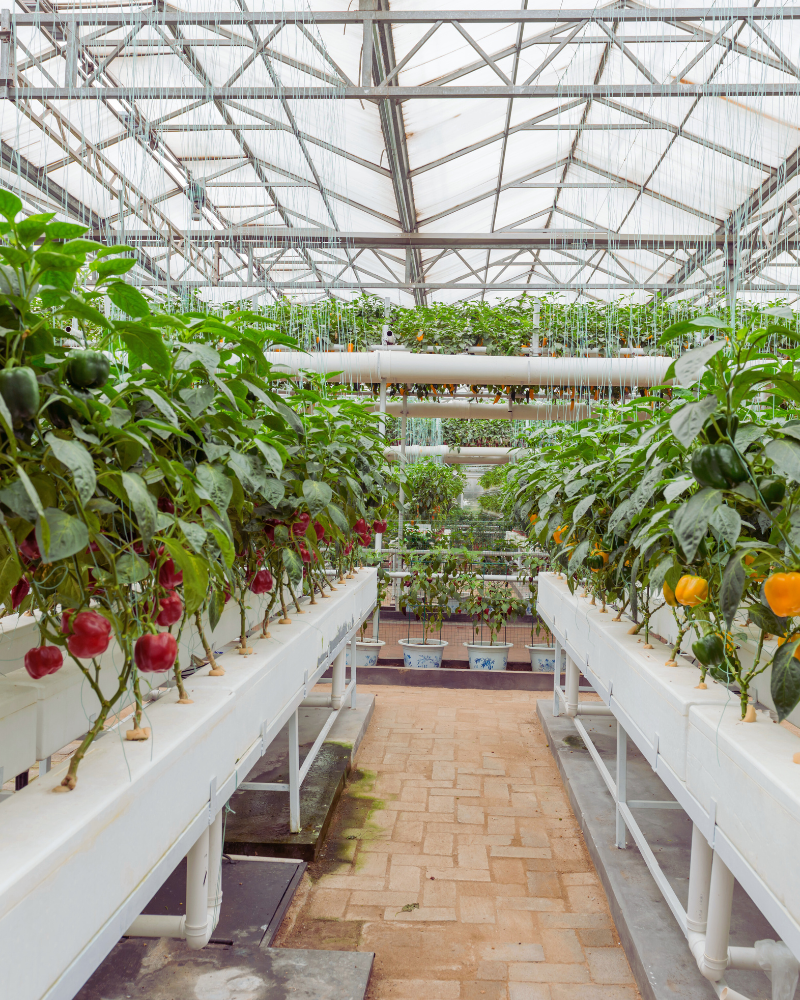
Rows of vegetables in greenhouse
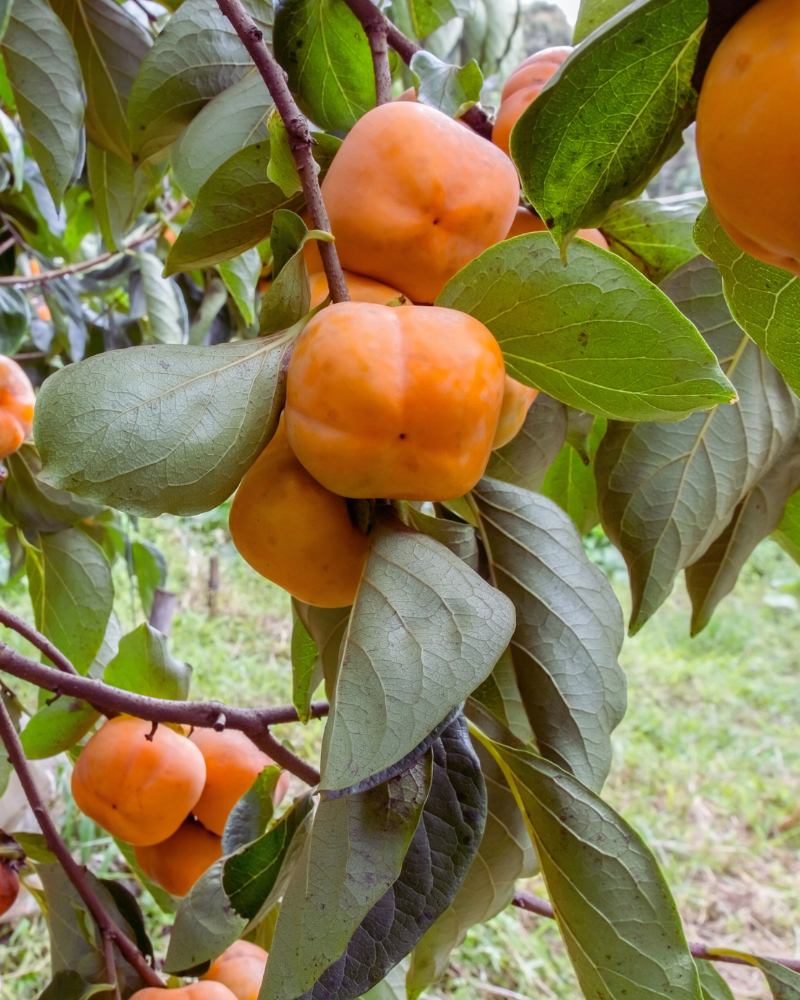
Fruit clusters on tree
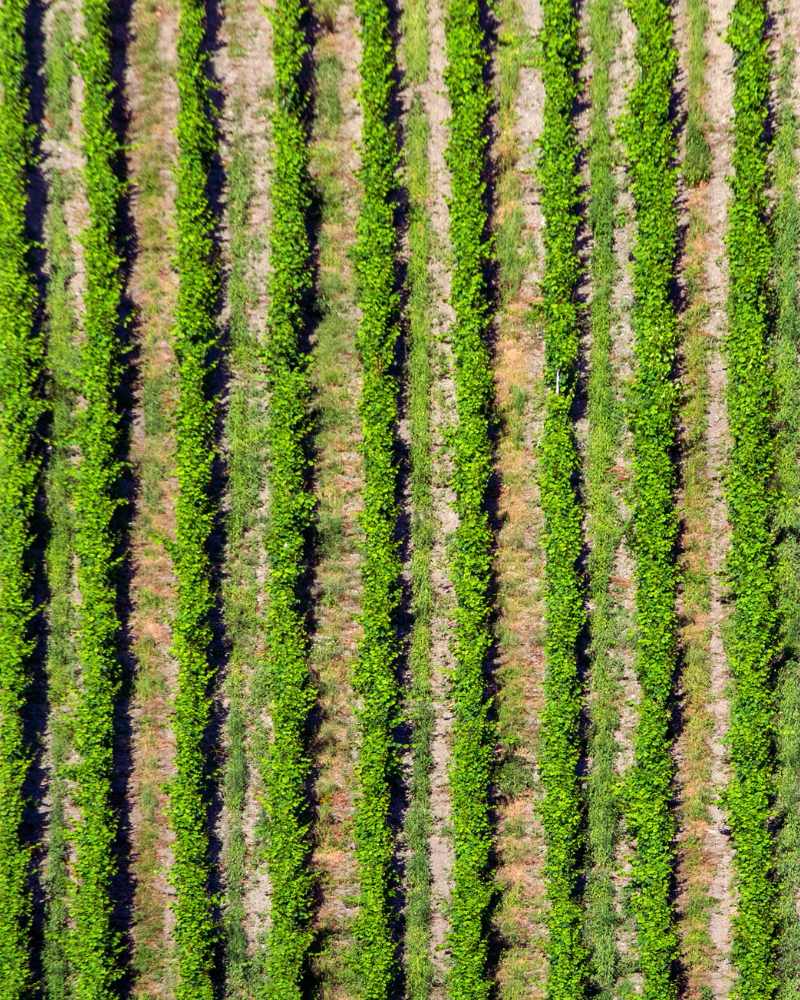
Image of rows of crops from airborne view

Unlocking Field Insights: Practical Multispectral Imaging for Agriculture & Vegetation

Multispectral imaging is a powerful and practical tool for monitoring crop health, vegetation vigor, and field variability across large areas. 

By capturing data in a select number of specific spectral bands, typically spanning the visible and near-infrared regions, multispectral systems enable growers, agronomists, and researchers to assess plant condition, identify stress, and track growth trends throughout the season. 

Compared to hyperspectral or other high-resolution spectral imaging techniques, multispectral imaging offers an optimal balance of actionable insight, system simplicity, and cost efficiency. It is particularly beneficial when well-established spectral bands are sufficient to answer the application need, enabling faster data acquisition, lower data volumes, and simpler processing workflows. 

Unlike point spectrometers or standard RGB systems, multispectral imaging provides spatially resolved, detailed spectral information across the entire field of view, enabling quantitative, repeatable analysis of vegetation health that goes far beyond visual inspection or single-point measurements.

Common applications for multispectral imaging in agriculture and vegetation include crop scouting, yield prediction, weed and disease detection, irrigation management, and calculation of vegetation indices such as NDVI and GNDVI.
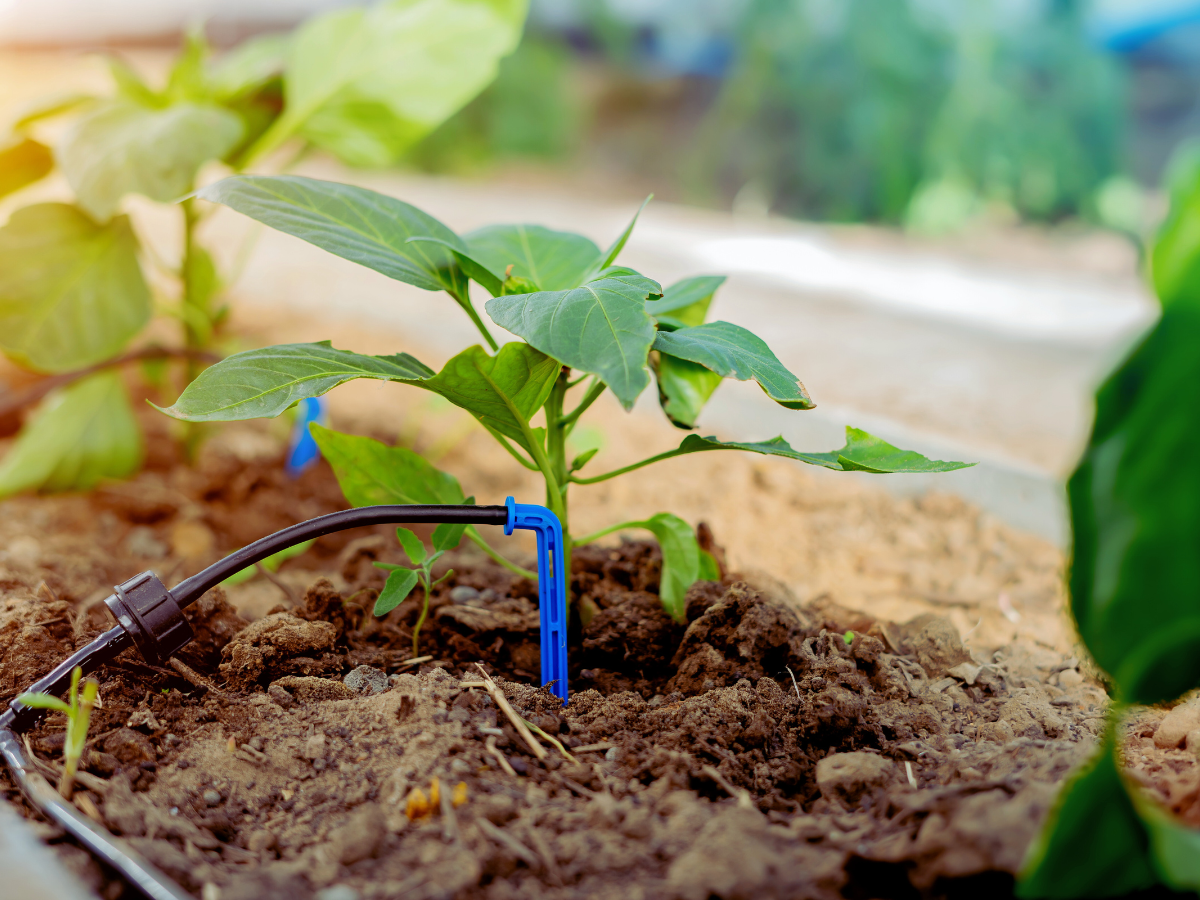
Close up image of plant in dirt with irrigation system

Key Benefits of Multispectral Imaging for Agriculture & Vegetation:

  • Early Plant Stress Detection: Detect early signs of disease, nutrient deficiency, and water stress for faster intervention.
  • Maximize Yield Potential: Improve crop performance and consistency with data-driven growing decisions.
  • Enable Precision Crop Management: Apply water, fertilizer, and inputs exactly where needed to reduce waste and costs.
  • Monitor Crop Health at Scale: Efficiently assess large fields, orchards, and vegetation areas in a single capture.
  • Turn Data Into Action: Generate trusted vegetation indices that deliver clear, actionable insights.
  • Reduce Environmental Impact: Support sustainable practices through targeted, informed crop management.
  • Track Growth Over Time: Monitor seasonal trends and evaluate treatment effectiveness with repeatable measurements.
  • Non-Destructive, Rapid Assessment: Analyze vegetation health without sampling or disrupting crops.
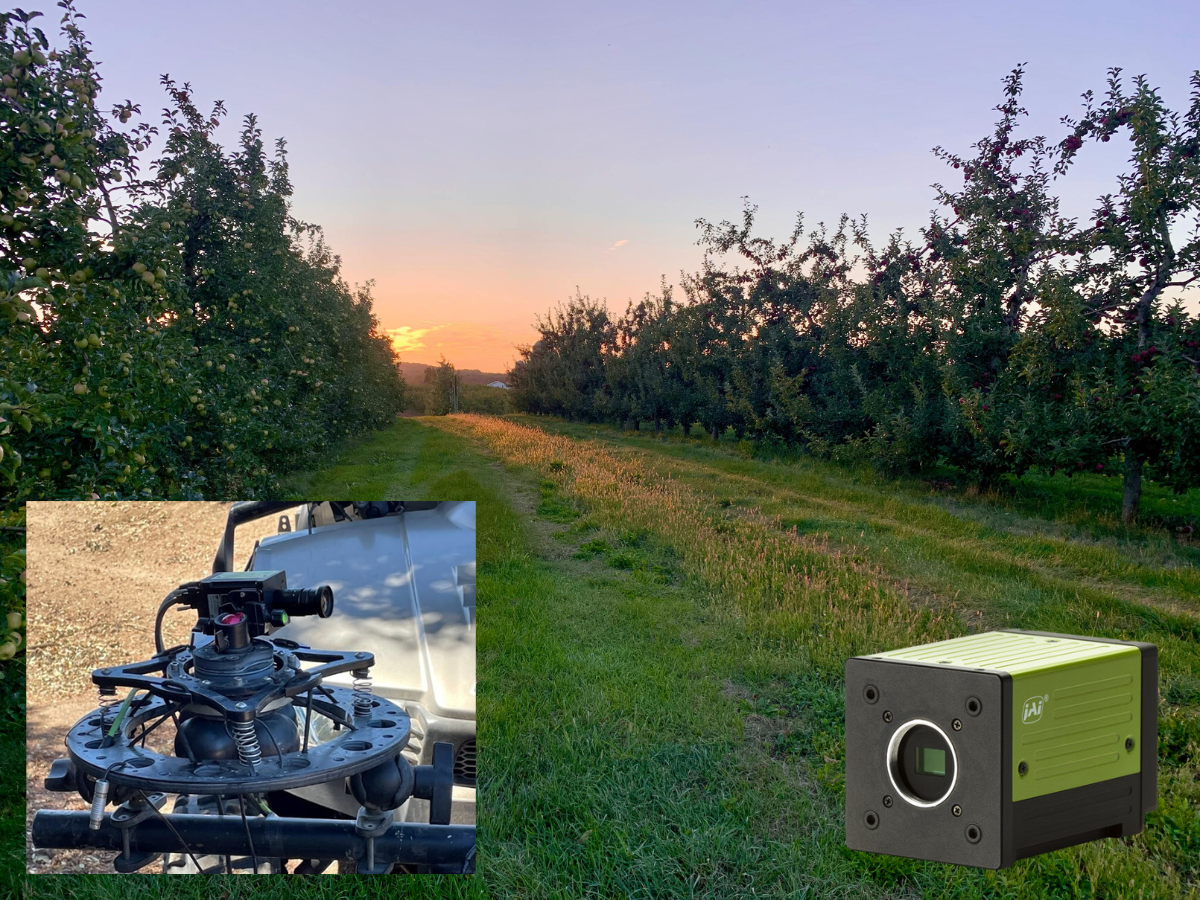
Rows of apple trees in orchard, with image of JAI camera and image of JAI camera mounted on ground vehicle

Fruit Yield Estimation

Accurate estimation of fruit yield early in the growing cycle is a game‑changer for orchard management, enabling growers to better plan labour, optimize harvest schedules, streamline packing operations, and even refine marketing strategies.

Visible-light imaging technologies can struggle to differentiate fruit from surrounding foliage, particularly when fruit is green and hidden within dense canopy. Multispectral imaging overcomes this barrier by capturing data across specific, non-visible wavelengths that reliably highlight fruit features even under challenging outdoor conditions, such as variable lighting, shadows, and motion from vehicle mounted systems.

In precision agriculture workflows, high‑throughput multispectral cameras, such as the JAI Fusion Flex Eye, are mounted on ground vehicles or UAVs to collect video streams of orchard rows. Advanced image analysis and AI algorithms then process these multispectral data to count and locate fruit throughout the canopy, delivering reliable yield predictions long before harvest. This approach not only improves forecasting accuracy but also enhances operational efficiency and decision‑making across the production cycle.


Case Study: Spectral Imaging Enables Fruit Yield Estimation with JAI Fusion Flex-Eye

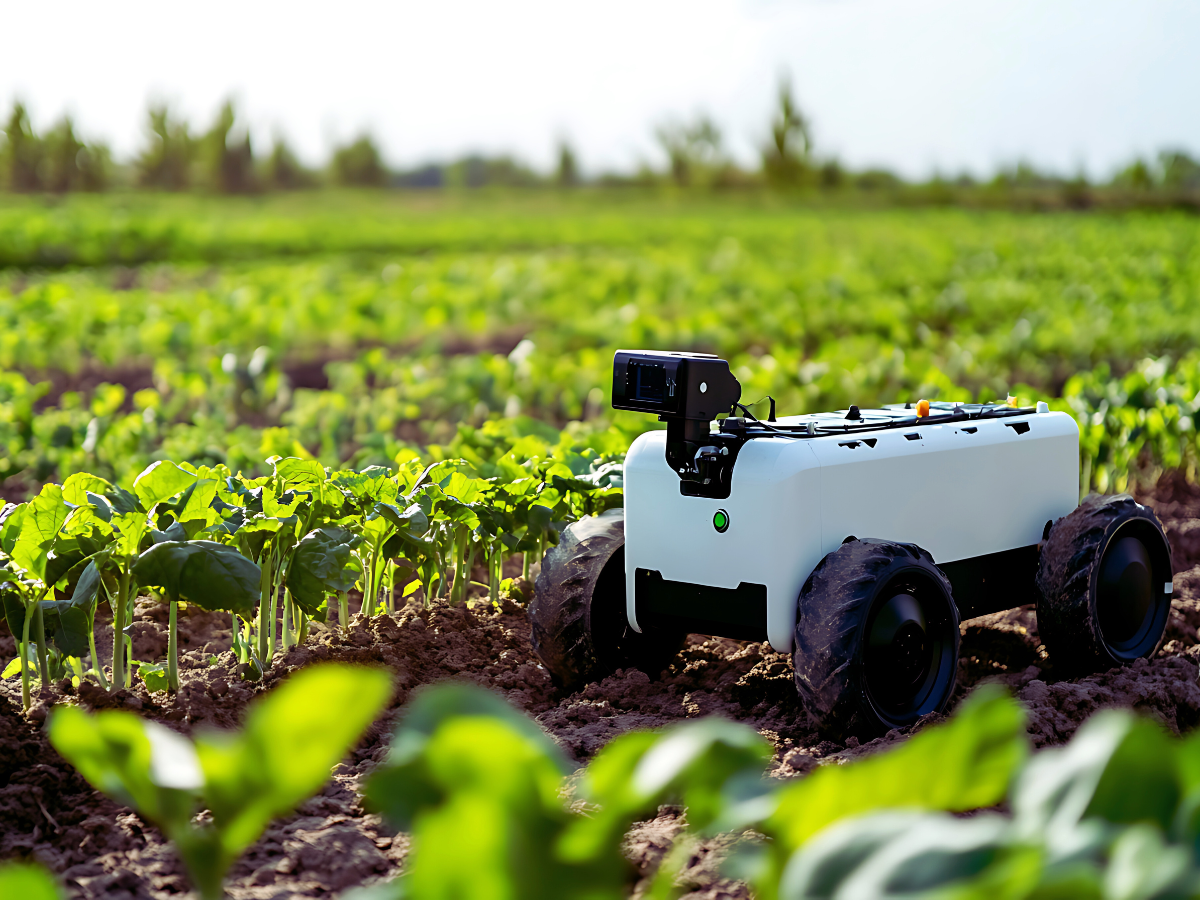
Ground-vehicle with mounted camera imaging rows of crops outdoors

Crop Assessment

Multispectral imaging enables efficient, data-driven crop assessment by providing a comprehensive view of field conditions that is not possible through visual inspection alone. 

By capturing reflectance data in key visible and near-infrared bands, growers and agronomists can quickly identify areas of crop stress related to nutrient deficiencies, water stress, disease pressure, or pest activity, often before symptoms can be detected in the visible range. This allows assessment efforts to be targeted to specific zones, reducing time in the field while improving the accuracy of assessments.

When deployed on airborne or ground-based platforms, multispectral imaging supports frequent, repeatable surveys throughout the growing season. Vegetation indices such as NDVI or NDRE help quantify crop vigor and track changes over time, enabling early intervention and informed management decisions. As a result, multispectral crop assessment improves yield potential, optimizes input usage, and supports more sustainable and cost-effective agricultural practices.

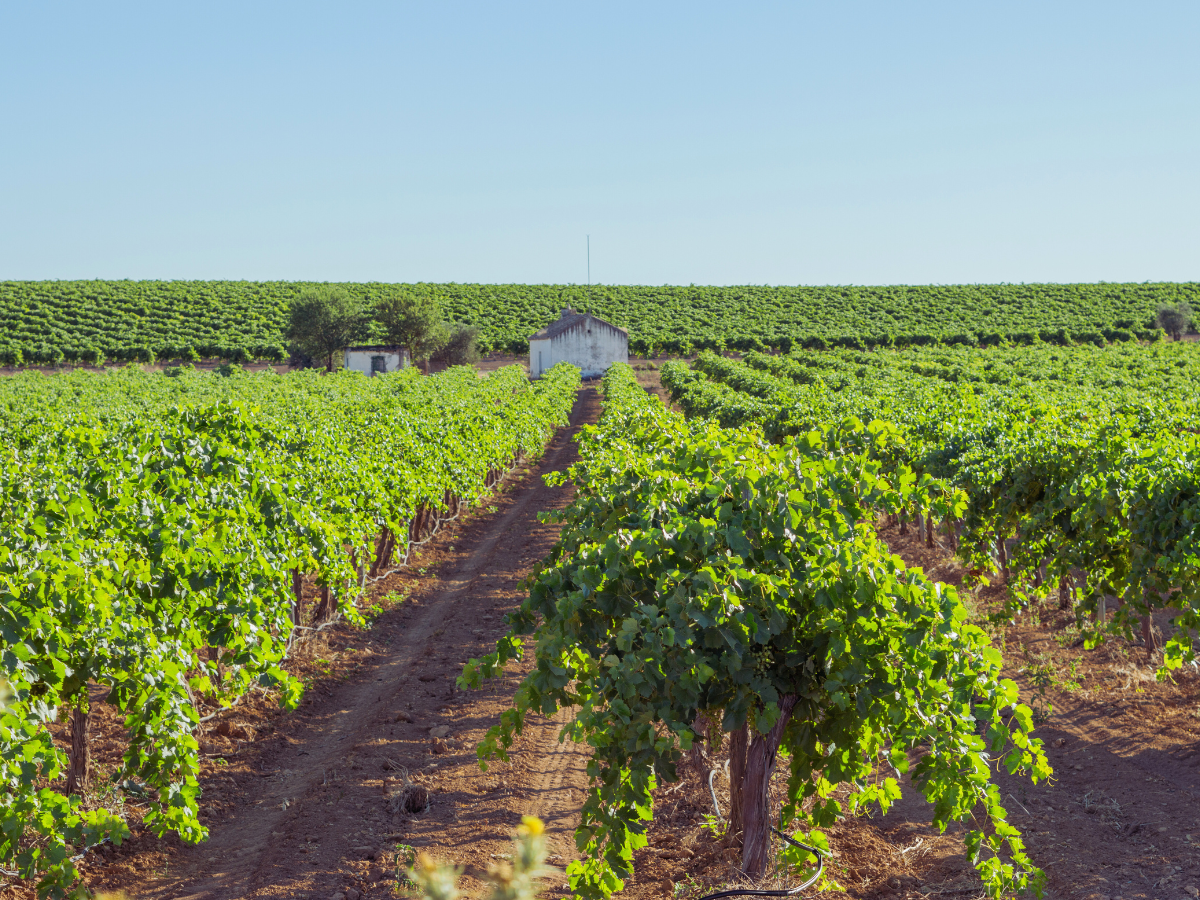
rows of crops in farmers field with outbuildings in background

Weed and Disease Detection

Multispectral imaging enhances weed and disease detection by revealing subtle differences in plant reflectance that that may otherwise go undetected with traditional RGB imaging technology.

By capturing data in targeted spectral bands, it can be used to distinguish between crops, weeds, and stressed or diseased plants, enabling early identification of problem areas. This enhanced detection allows farmers to address infestations or infections before they spread, reducing crop loss and minimizing unnecessary chemical use.

When combined with vegetation indices and advanced image analysis, multispectral imaging enables automated mapping of weed patches or diseased zones across entire fields. This spatially detailed information supports targeted interventions, such as precision herbicide application or localized treatment, improving efficiency, reducing input costs, and promoting healthier, more productive crops.


Article: It's AI vs. Weeds: How Multispectral Cameras are Supplying Intelligence to Intelligent Farming