Ensure Reliability, Performance and Quality in Electronic Systems
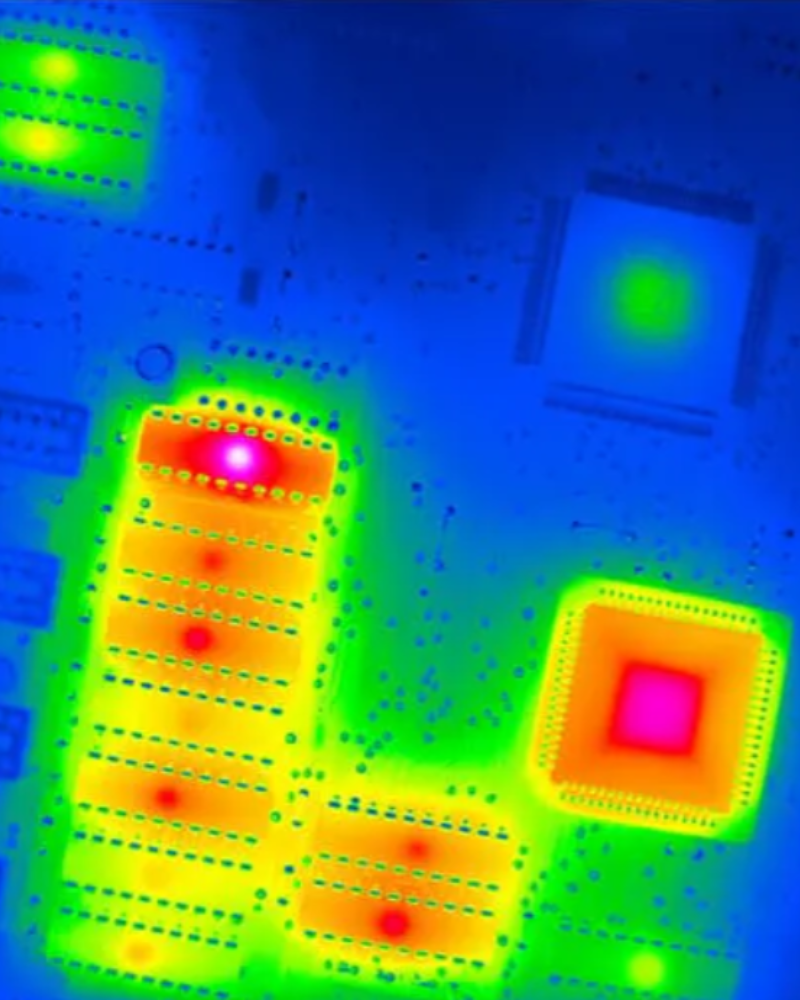
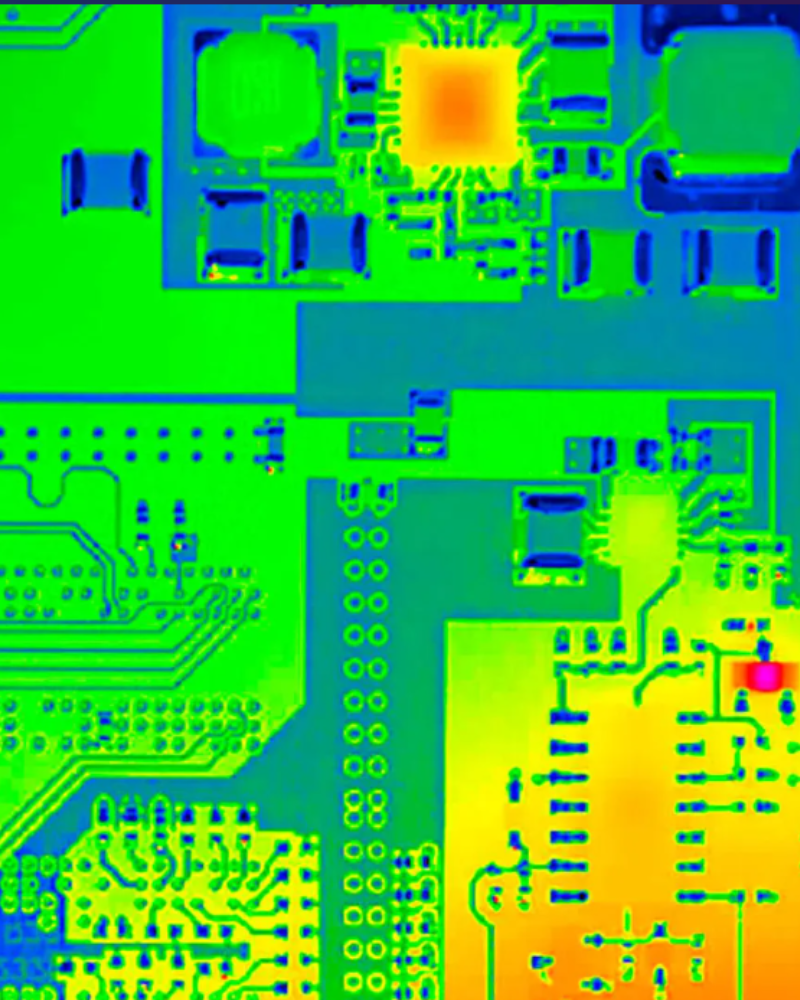
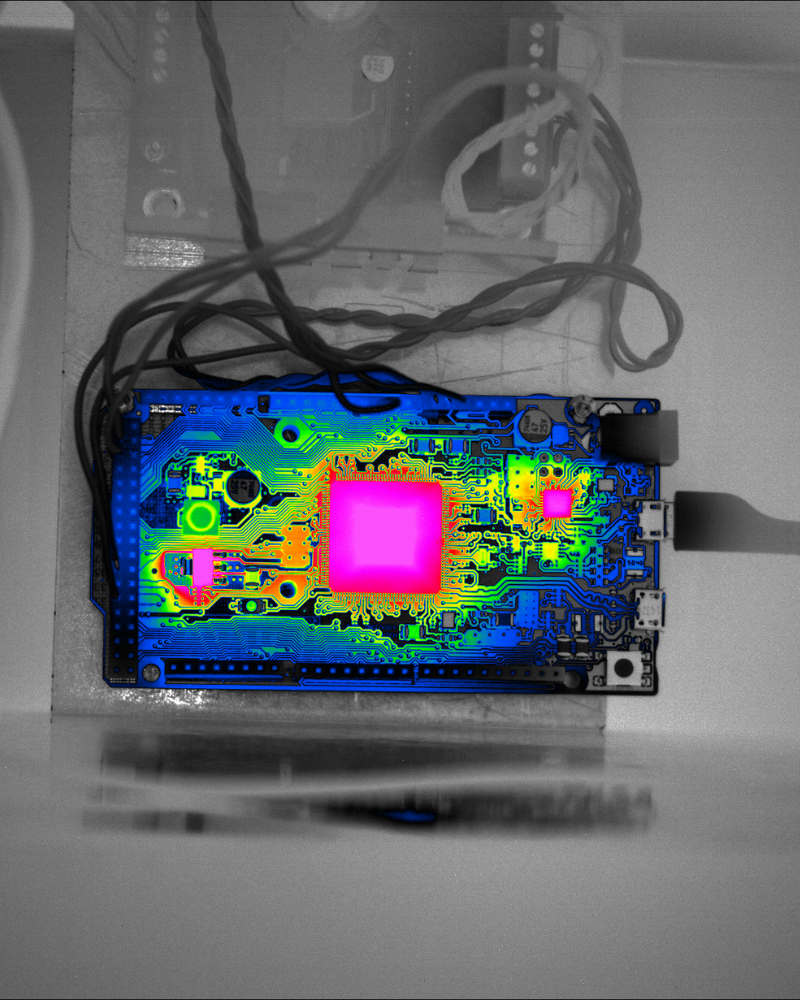
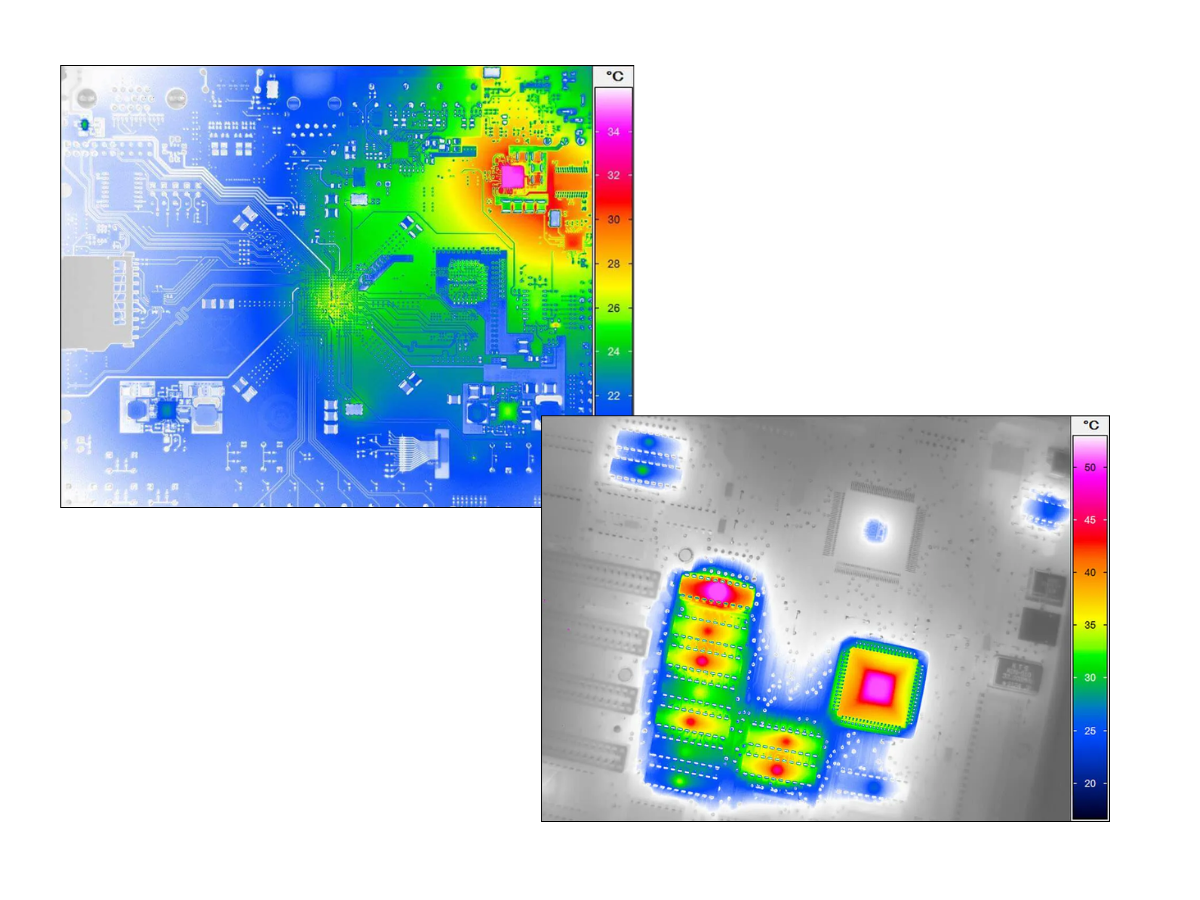
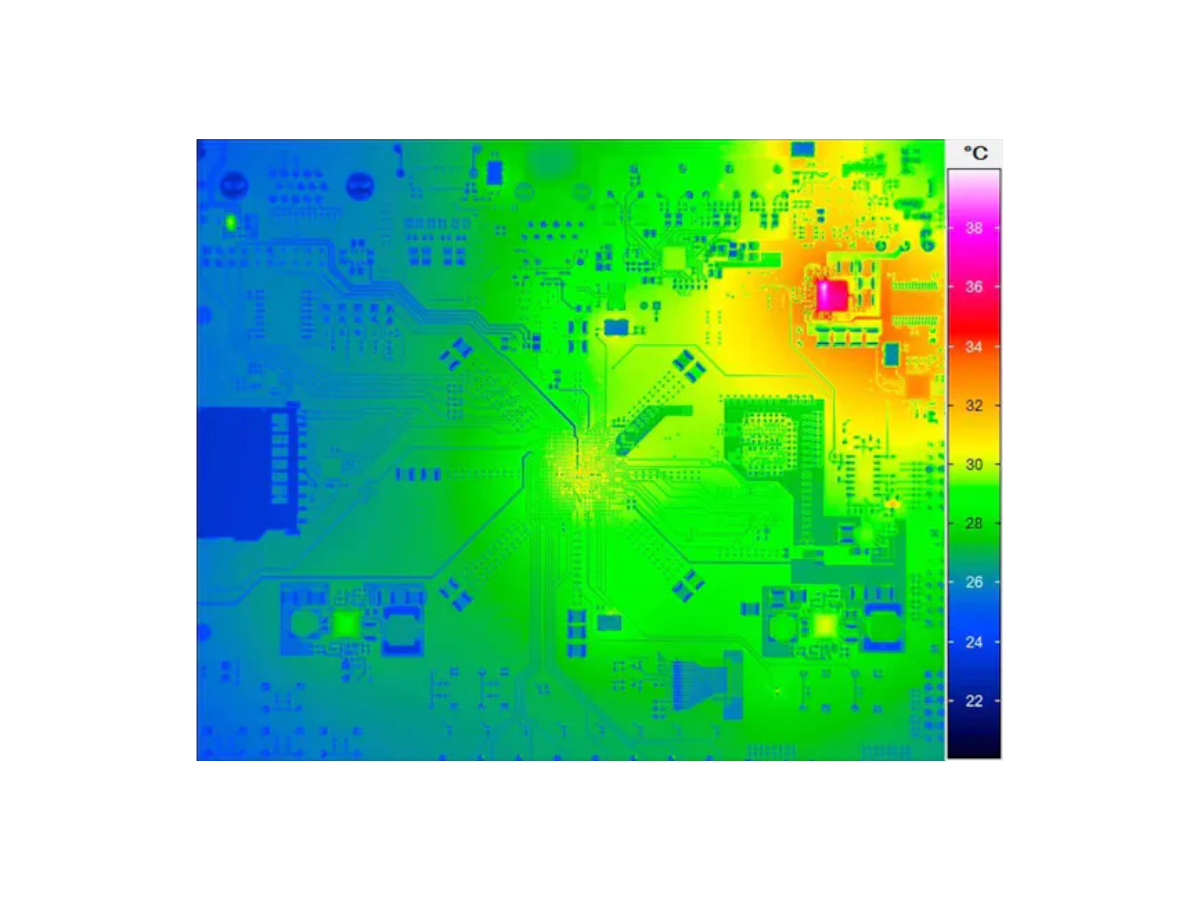
Electronic components and assemblies generate heat during operation, making temperature one of the most important indicators of performance, reliability, and product quality.
From prototype development and thermal design through manufacturing and failure analysis, infrared imaging provides a fast, non-contact method for visualizing and measuring temperature distributions across entire assemblies.
Infrared cameras enable engineers and quality control teams to identify thermal anomalies, locate faults, validate cooling strategies, and optimize electronic designs without affecting system operation. By providing full-field temperature measurements in real time, thermography delivers insights that are impossible to obtain with conventional point measurement techniques. Thermography is widely used for electronic failure analysis, thermal management, quality assurance, power electronics development, and reliability testing.
Key Benefits of Infrared Imaging in Electronics:
- Early Fault Detection: Identify overheating components, short circuits, and abnormal current flow before failures occur, reducing unplanned downtime and costly repairs.
- Non-Contact Inspection: Inspect live electronic assemblies without physical contact, eliminating the risk of damage and enabling safe testing of energized systems.
- Improved Reliability: Detect thermal stress, poor solder joints, and component degradation early, helping improve product reliability and lifespan.
- Faster Troubleshooting: Visualize temperature distributions instantly to pinpoint issues quickly, accelerating diagnostics and reducing time-to-resolution.
- Enhanced Quality Control: Verify proper assembly, soldering quality, and thermal performance during manufacturing and final inspection.
- Preventive Maintenance: Support predictive maintenance programs by identifying gradual thermal changes before they lead to catastrophic failures.
- Increased Safety: Reduce the risk of fire and component damage by detecting excessive heat in power electronics and high-density circuits.
Failure Analysis & Hot-Spot Detection
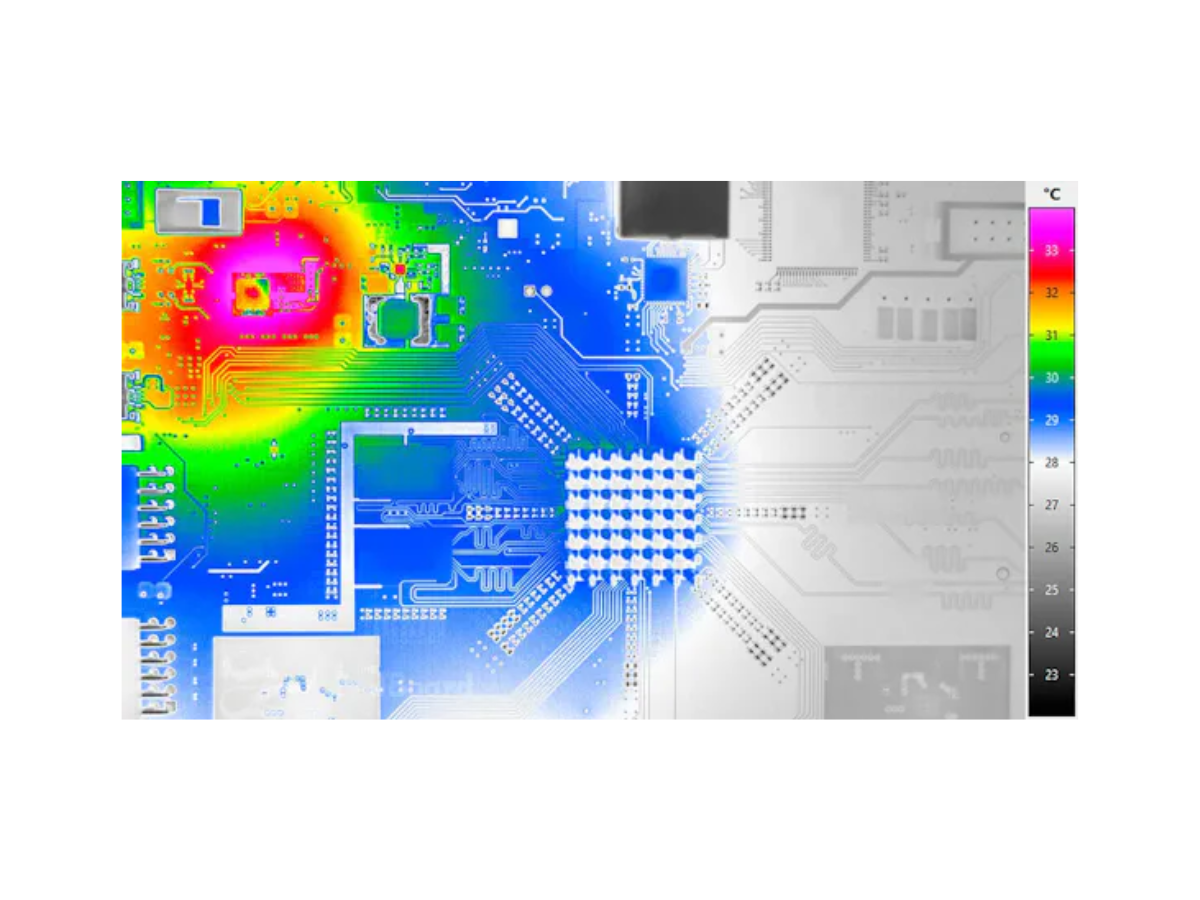
Infrared imaging has become a powerful tool for electronic failure analysis by enabling visualization of abnormal temperature distributions and rapidly identify the source of faults.
Hotspots caused by excessive resistance, poor solder joints, short circuits, defective components, thermal bridges, or inadequate heat dissipation can be located quickly and accurately. Rather than measuring symptoms at a single point, thermal imaging provides a complete view of how heat flows through a circuit or assembly, helping engineers isolate root causes faster.
High-resolution infrared cameras can reveal subtle thermal signatures that indicate failures before they lead to catastrophic system damage, reducing troubleshooting time and improving product reliability.
Common Applications:
- PCB and circuit board troubleshooting
- Detection of short circuits and connection faults
- Identification of cold solder joints and manufacturing defects
- Integrated circuit and semiconductor analysis
- Localization of thermal anomalies and hotspots
- Reliability and safety investigations
- Power loss detection in electronic systems
Case Study: Fault Isolation on Chips and Power Modules Using E-LIT
Case Study: Thermography on the Trail of the Fault
Power Electronics
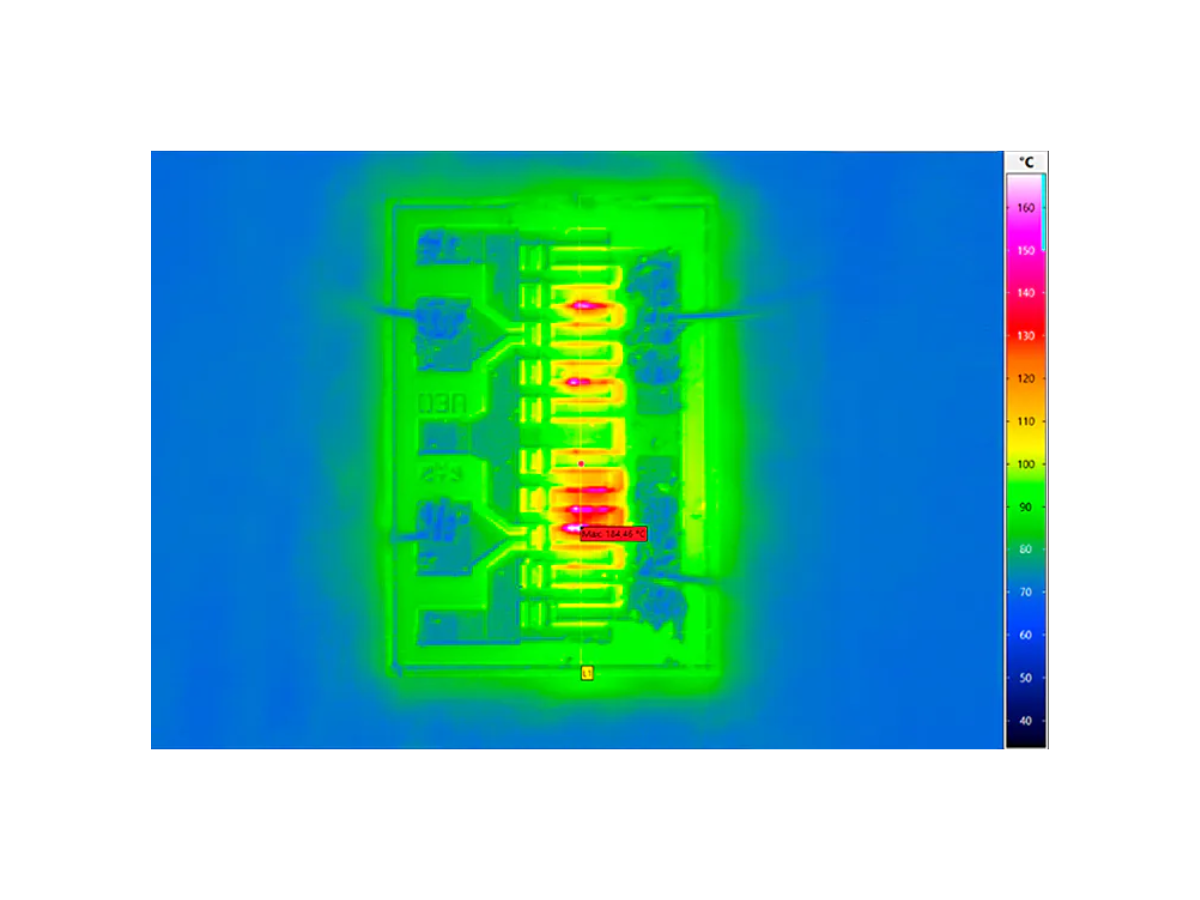
Power electronics operate under demanding conditions where heat directly impacts efficiency and lifespan. Thermography is a commonly used tool in development of power electronic components to detect overheating cause by faults, high-power losses, or aging.
Infrared imaging enables detailed analysis of components such as MOSFETs, IGBTs, inductors, and power modules. Engineers can evaluate load conditions, switching behaviour, and thermal distribution to ensure optimal performance, prevent overheating and improve system durability.
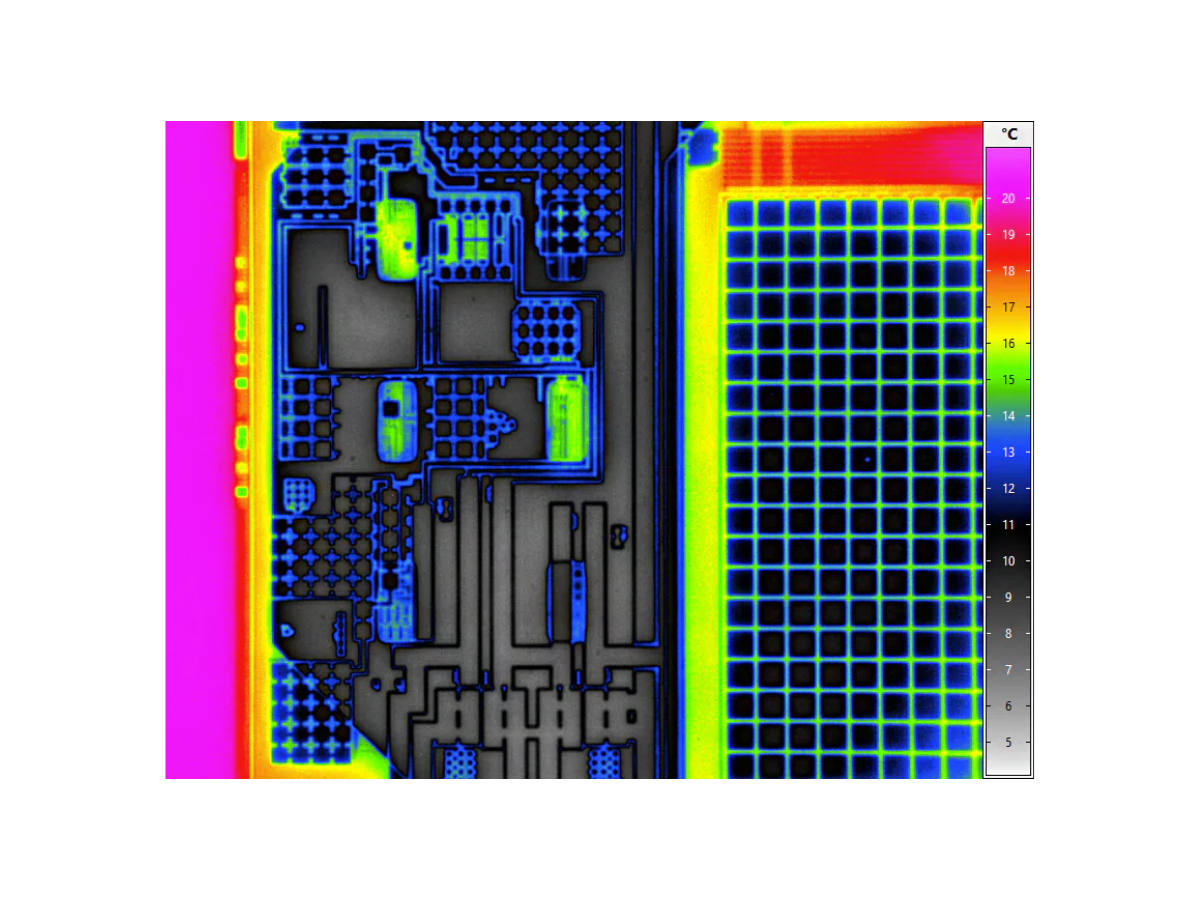
Thermographic cameras with high spatial resolution and macro or micro optics are particularly useful in detecting hotspots in in drives of electric vehicles. The use of modern power semiconductors made of silicon carbide (SiC) and gallium nitride (GaN) allow for increased efficiency in drive inverters and offer significant advantages over silicon (Si) in power electronics. At the same time, this presents unique challenges in evaluation and quality control testing as components are smaller, switch is faster and they have higher current and power density. In order to sufficiently isolate hotspots, high-end cameras delivering very short integration times and high sensitivity are necessary.
Video: High Speed Thermal Measurement System
Case Study: Power Electronics - Efficient Control of the Future's Energy
Webinar Recording: Thermography Solutions for Power Electronics - Precise, Non-contact and High-speed
Electromobility
Electromobility refers to the use of electric-powered vehicles (fully or partially powered by electricity) for transportation, and is key to achieving a more sustainable, environmentally friendly way of life. Thermography supports the development and validation of EV components by revealing heat distribution, identifying inefficiencies, and ensuring safe operation under dynamic conditions.
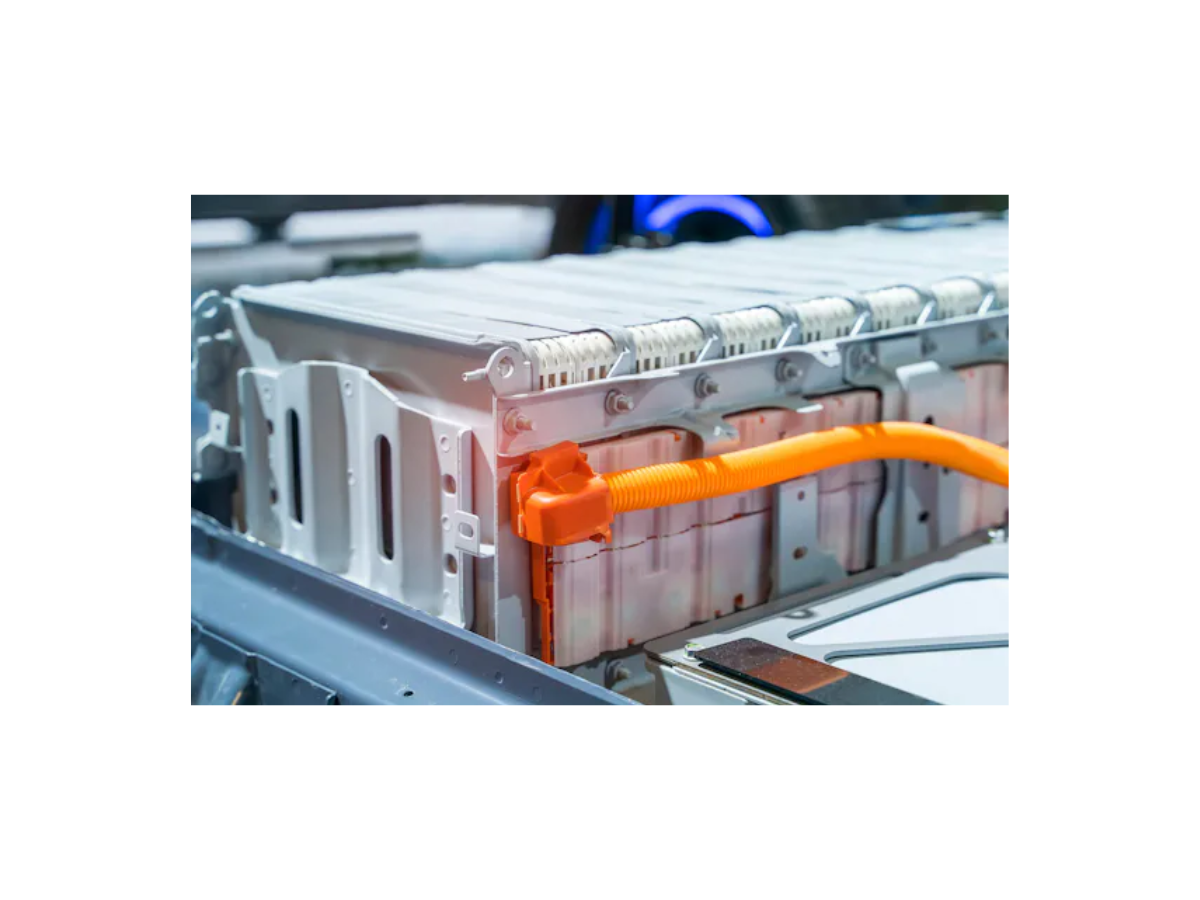
Lithium-ion batteries are utilized in electronic vehicles as they offer the highest energy density, delivering high efficiency and optimum performance, with the ability to provide power from a few milliwatts to several hundred kilowatts depending on the application. Given their complex, multilayer structure containing various substances, they can be very sensitivity to external factors such as temperature fluctuations, vibrations, damage and moisture.
Thermographic cameras and customized IR system solutions, such as FIRE-SCAN, are a critical tool used in a number of applications in electromobility:
- Precision temperature monitoring of Li-ion batteries in assembly and storage facilities for fire prevention
- Ensuring compliance with safety standards in the accumulator manufacturing process
- Accurate and reliable detection of faulty batteries in QA due to contamination, damage or abnormal thermal behavior
- Verification of weld seams, glued joints and battery housing tightness
Defect detection and monitoring with high-quality thermal cameras is a non-contact, non-destructive evaluation method that not only increases safety for both workers and consumers, but also allows producers to avoid rejected final products and minimize rework leading to significant cost optimization in manufacturing process.
Lock-in Thermography for Advanced Electronics Inspection
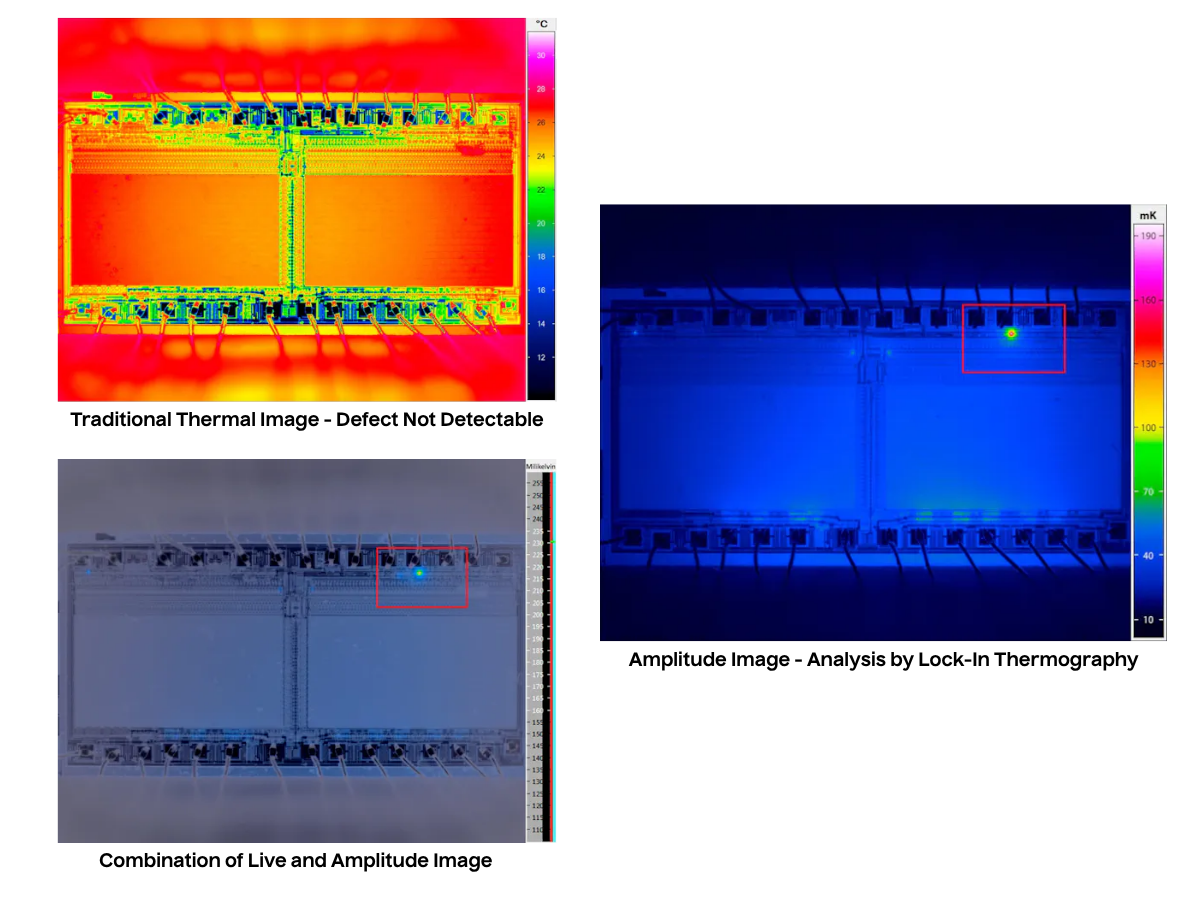
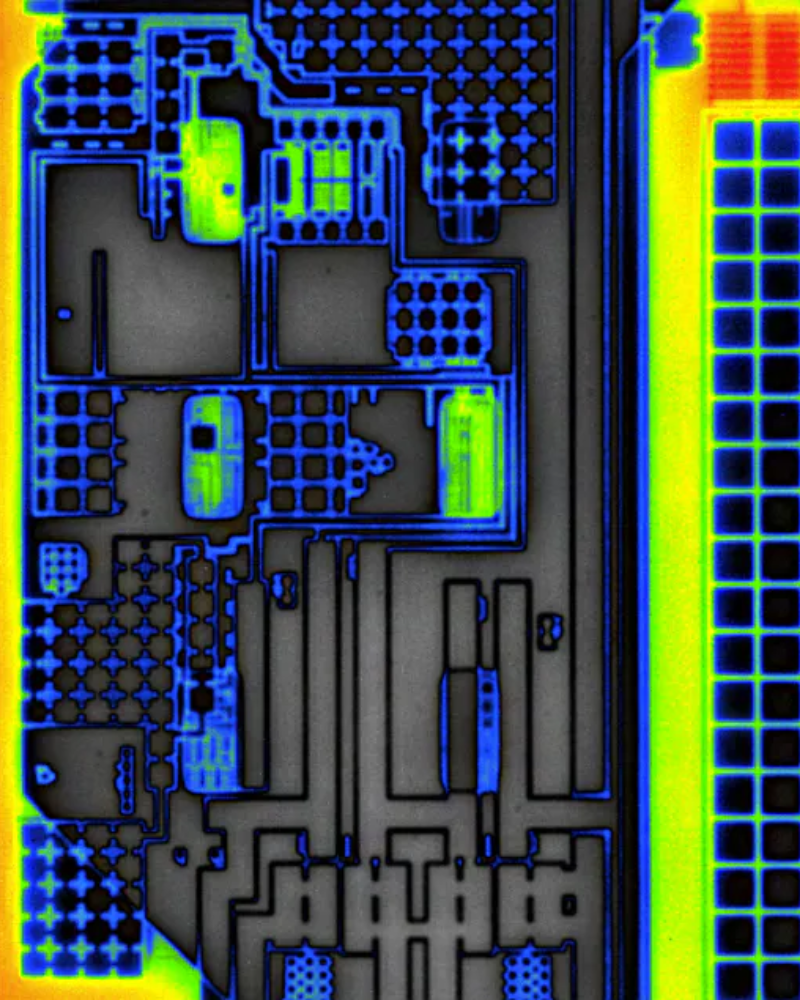
As electronic devices become smaller and more complex, conventional thermal imaging may not always reveal extremely subtle defects. Lock-in thermography enhances measurement sensitivity by using periodic excitation and advanced signal processing to detect minute temperature differences.
This technique enables the detection of hidden defects, internal faults, and thermal anomalies that may not be visible through conventional thermal inspection. Lock-in thermography is particularly valuable for semiconductor testing, integrated circuit analysis, and advanced failure investigations where maximum sensitivity is required.
The technology supports non-destructive evaluation of electronic and semiconductor devices while providing exceptional thermal resolution for identifying defects at an early stage.
White Paper: Electronics and Semiconductor Module Testing with Lock-In Thermography
Case Study: NDT of Electrical Components Using Various Thermography Methods
Automated System Solution: E-LIT - Electronics & Semiconductor Testing Solution
Thermal Optimization in Electronic Design
Effective thermal management is critical to the performance and longevity of modern electronics. Infrared imaging allows engineers to evaluate thermal behavior throughout the design process, from early prototypes to final products.
By creating detailed thermal maps of assemblies and components, infrared cameras help identify excessive heat generation, component interactions, and cooling inefficiencies. Engineers can use this information to optimize component placement, validate simulation models, improve heat sink performance, and refine cooling strategies before products reach production.
The result is improved reliability, reduced development costs, and more efficient electronic systems.
Common Applications:
- PCB thermal mapping
- Cooling concept validation
- Heat sink performance evaluation
- Power electronics optimization
- Thermal simulation verification
- Component placement optimization
- Power supply and inverter development
Electronics Manufacturing & Reliability Testing
Infrared thermography provides valuable quality assurance capabilities throughout electronics manufacturing and testing processes.
Manufacturers can monitor temperature behavior during production to verify process parameters, identify defective assemblies, and ensure consistent product quality. Thermal imaging can also be used to evaluate products during load cycling, power-up and shutdown sequences, and accelerated life testing.
By analyzing temperature behavior over time, engineers can identify aging effects, validate performance under operating conditions, and detect potential reliability concerns before products reach customers. This enables higher production yields, reduced warranty costs, and greater confidence in product performance.
Common Applications:
- Inline production inspection
- Process validation and monitoring
- Reliability and lifetime testing
- Thermal cycling analysis
- Load and stress testing
- Product qualification
- Manufacturing process optimization
Case Study: Fault Isolation on Chips and Power Modules